Liquefied Natural Gas Market Dynamics: A Comprehensive Analysis of Global Trends and Growth Factors
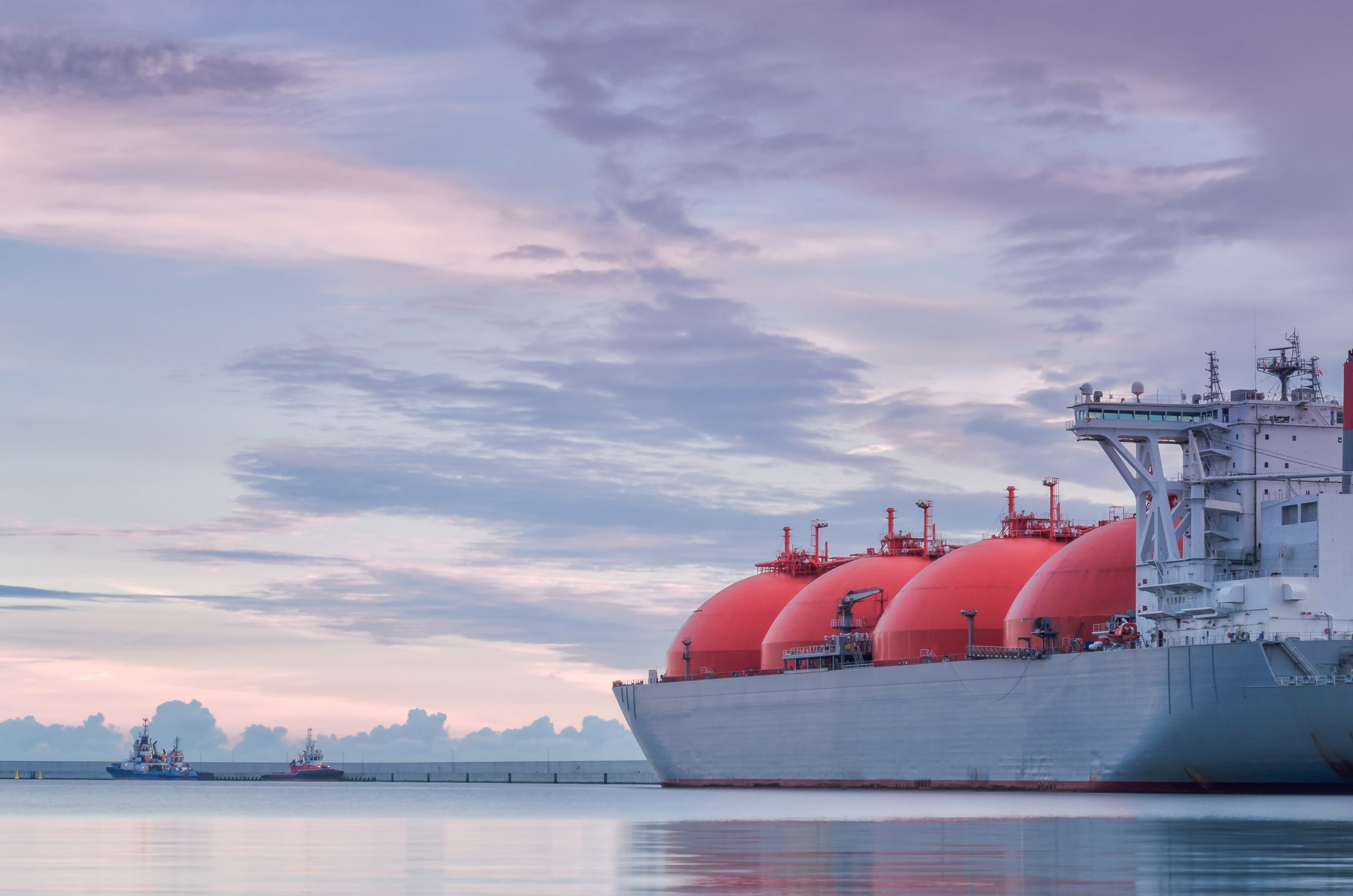
The Liquefied Natural Gas Market is estimated for 2023 for the forecast period 2023-2030, as highlighted in a new report published by Coherent Market Insights.
Market Overview:
Liquefied natural gas or LNG is natural gas that has been cooled to liquid form, which reduces its volume by about 600 times, making it easier to store and transport. LNG is increasingly being used to produce electricity, fuel industries, heat homes and more.
Market Dynamics:
The liquefied natural gas market is expected to witness significant growth over the forecast period owing to rising global electricity demand along with robust growth of residential sector across developing nations. Rising urbanization and industrialization has led to increase in global electricity demand by over 2% annually in last few years. In addition, liquefied natural gas also provides a cost effective alternative to crude oil and coal for power generation thereby further accelerating its demand.
Increased Global Demand for Cleaner Energy Sources is Driving the Liquefied Natural Gas Market Growth
The growing concerns regarding the environmental impacts of fossil fuels such as coal have led to an increased demand for cleaner energy sources across the world. Natural gas produces around 50-60% lower carbon emissions than coal when combusted and is increasingly being used as a transition fuel as the world moves towards renewable sources of energy such as solar and wind. The share of natural gas in the global energy mix has increased from around 21% in 1990 to over 24% in 2020. Liquefied natural gas or LNG is a more viable way of transporting natural gas over long distances as it takes up 600 times less volume than natural gas in its gaseous state. This has spurred investments in LNG infrastructure including liquefaction facilities, carrier ships and regasification plants. Many nations are importing more LNG to reduce their carbon footprint and meet their growing energy needs. Some countries are also taking advantage of competitive LNG prices to replace more polluting fuels in key sectors such as power generation and transportation. The drive towards cleaner sources of energy is a major factor driving the growth of the global liquefied natural gas market.
International Geopolitics Restricts Global LNG Trade
While LNG trade has expanded significantly, international geopolitics acts as a restraint for the liquefied natural gas market's growth. Many major LNG producing and exporting nations aim to gain political influence through their control of critical energy resources and infrastructure. They often sign long term contracts with preferred buyers for domestic political and economic reasons rather than based purely on market dynamics. This has restricted the flexibility of the global LNG market. Tensions between key producers, consumers and transit states also pose risks of disruptions. Recent conflicts have highlighted concerns about the security of LNG supply chains. There have also been trade disputes related to LNG between some nations. Such geopolitical risks make buyers reluctant to invest in long term import commitments and new infrastructure. This undermines global cooperation needed to fully optimize liquefaction, shipping and regasification capacity around the world. Geopolitics remains a significant restricting factor for liquefied natural gas to reach its true global trade potential.
Acquired Experience and New Technologies Open up Untapped Potential
As countries and companies gain extensive experience operating LNG facilities and conducting international seaborne trade over the last few decades, it is opening up untapped potential opportunities for further market growth. The learnings from projects involving complex engineering, hazardous operations and long distance shipping have increased confidence. Technological advancements are helping overcome existing challenges. For example, innovations have enhanced efficiencies in liquefaction processes, widened the application of modular construction techniques and introduced new vessel designs optimised for diverse supply chains. New extraction techniques are unlocking previously uneconomical resources like shale gas. Integrated energy companies are exploring unique commercial models to develop remote stranded gas reserves which were not considered viable before. As the industry players acquire deep expertise navigating regulatory frameworks across borders and weather conditions, it could extend LNG utilization to emerging applications and newer geographies that lack pipeline gas infrastructure. These acquired capabilities and technologies reduce risks, unlocking new prospects to expand the liquefied natural gas industry.
Energy Transition Trends to Boost LNG Demand in Decades Ahead
One of the major long term industry trends supporting the growth of the liquefied natural gas market is the shifting global energy transition pathways. Despite imminent renewable energy capacity additions, fossil fuels will still remain dominant for decades meeting the world's growing demand. Natural gas emits 50-60% lower CO2 than coal and will transition many heat and power applications away from more polluting oils and solids. Countries have committed to reduce carbon emissions under Paris Agreement targets and see natural gas and LNG playing a bridging role. Many large developing nations are investing substantially in gas import infrastructure. Gas exporting nations may also alter their future strategies to align with emerging net-zero ambitions. LNG's advantages of transportation over large distances and ability to re-gasify for diverse uses will increase its appeal. The fast declining costs of renewables will drive increased flexible natural gas-fired power complementing solar and wind variability. Overall energy transition trends point towards further structural increase in global demand for cleaner burning natural gas and LNG.


Comments
Post a Comment