Strategic Insights into the Future of Physical Vapor Deposition Market Growth
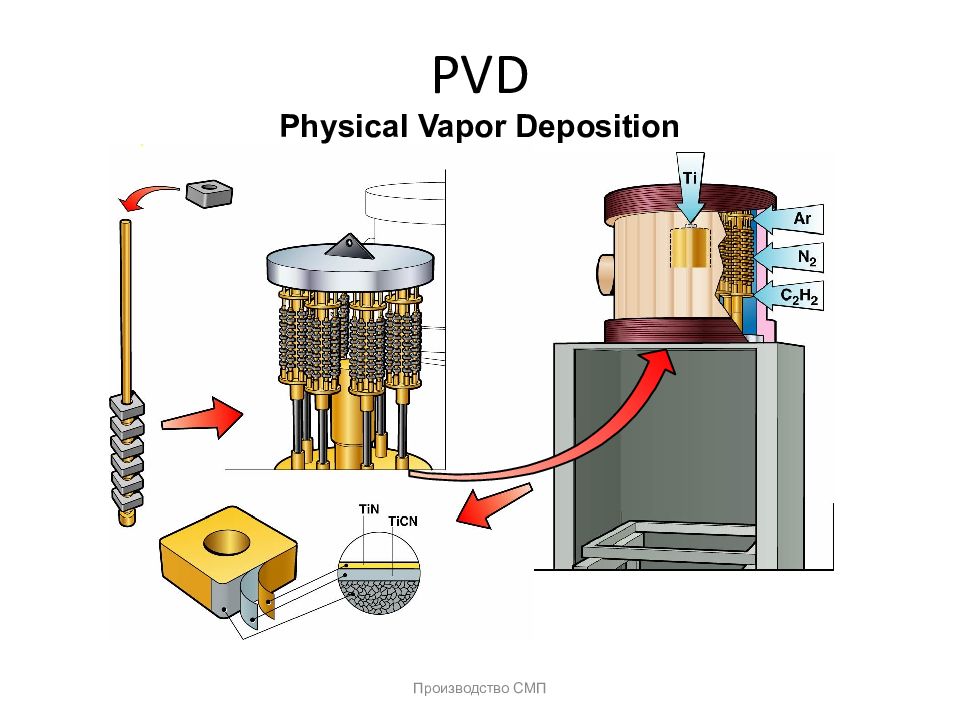
The Physical Vapor Deposition Market is estimated for 2023 for the forecast period 2023-2030, as highlighted in a new report published by Coherent Market Insights.
Market Overview:
Physical vapor deposition (PVD) is a process used to deposit thin films on substrates by condensation of a vaporized form of the desired material. It finds applications in microelectronics, data storage, cutting tools, and decorative coatings.
Market Dynamics:
The growth of the physical vapor deposition market is driven by increased adoption in microelectronics and data storage industries. Physical vapor deposition processes such as sputtering and evaporation are widely used in the manufacturing of semiconductors and data storage devices. As the demand for electronic components grow, the need for PVD techniques for thin film applications also increases. Further, the increasing demand for wear and corrosion resistant coatings from automotive and industrial machinery sectors is expected to fuel the market growth during the forecast period.
Increasing Demand for Low-Friction and Wear-Resistant Coatings is Driving the Physical Vapor Deposition Market
The demand for low-friction and wear-resistant coatings has been growing significantly across various industries such as automotive, aerospace, cutting tools, and medical devices. Physical vapor deposition is an effective and commonly used technique for depositing hard coatings like titanium nitride and chromium nitride that improve surface properties and durability. The increasing usage of PVD coatings on components subjected to severe friction, wear and corrosion is propelling the physical vapor deposition market growth. For instance, PVD coatings are widely used on engine components, brake pads and rotors in automobiles to enhance fuel efficiency and performance. They are also used on drill bits, cutting tools and inserts in manufacturing industries to increase tool life. With technological advancements and requirement for high-quality surface finishes, the need for functional PVD coatings is expected to continue rising thereby driving market expansion over the coming years.
Growing Requirement for Decorative Coatings Stimulates Demand
The demand for decorative and aesthetic coatings has increased substantially across various sectors including consumer electronics, architectural and solar glass. Physical vapor deposition enables depositing thin films, with excellent uniformity and adhesion, that impart color, luster and anti-reflective properties to surfaces. Metals like gold, silver, platinum and alloys are commonly deposited using PVD techniques for visually appealing finishes. The growing production of smartphones with decorative bezels and televisions and laptops with anti-glare and scratch-resistant coatings has fueled the market growth. Moreover, the thriving solar and architectural glass industry is utilizing PVD coatings for achieving tinting, low-emissivity and self-cleaning effects. The rising consumer inclination towards aesthetics and appearance is driving increasing preference for decorative PVD coatings hence boosting the market.
Fluctuating Raw Material Prices Pose a Challenge
The physical vapor deposition market experiences price fluctuations due to shifting costs of raw materials used including metals and gases. The prices of precious metals like gold, silver and platinum that are commonly used for decorative and electrical coatings are highly unstable and vary as per global market conditions and supply-demand variations. Similarly, reactive gases used in PVD processes including argon, nitrogen and oxygen exhibit price volatility depending upon availability and supplier contracts. Major market players have limited control over raw material costs due to supplier dependence. Therefore, frequent changes in prices of these crucial inputs pose major challenges related to budgeting, profit margins and project costs for equipment manufacturers, service providers as well as end-use industries. Unpredictable raw material prices can restrain market growth to some extent until better inventory management and long-term supplier contracts are implemented.
Opportunity for High-Volume Production of Smart Wearables
The emerging concept of smart wearables presents significant opportunities for the physical vapor deposition market. Technologies like smart watches, fitness bands and AR/VR headsets are gaining widespread popularity and demand. For optimal performance and durability, these devices require PVD coatings on components contacting human skin. Coatings such as silver, indium tin oxide and fluorinated diamond-like carbon are functional as well as provide corrosion resistance under harsh conditions of perspiration, skin oils and cleaning agents. As new smart wearable products are rapidly introduced and consumer electronics giants expand production, high-volume PVD coating of components offers valuable opportunities for equipment manufacturers and service providers. Moreover, the integration of decorative and anti-reflective coatings will further stimulate market growth by improving product design aesthetics, visual experience and marketability of wearable devices. This presents lucrative scope for PVD market players in collaborating with major consumer electronics OEMs.
Technology Innovations Catalyze Market Evolution
The physical vapor deposition market is continuously evolving due to ongoing technology innovations that enhance coating quality and throughput. Advancements like multi-target cathodic arc deposition enable depositing multifunctional and nanostructured coatings. Meanwhile, industrial-scale pulsed laser deposition systems facilitate mass production of complex thin films. Vendors are also developing modular PVD deposition heads capable of multi-wafer handling for improving productivity. Technologies such as electron beam PVD offer cost-effectiveness for nano-engineered coatings even on temperature-sensitive substrates.


Comments
Post a Comment