Growing Demand for renewable and sustainable chemicals Driving Growth of the Furfural Market
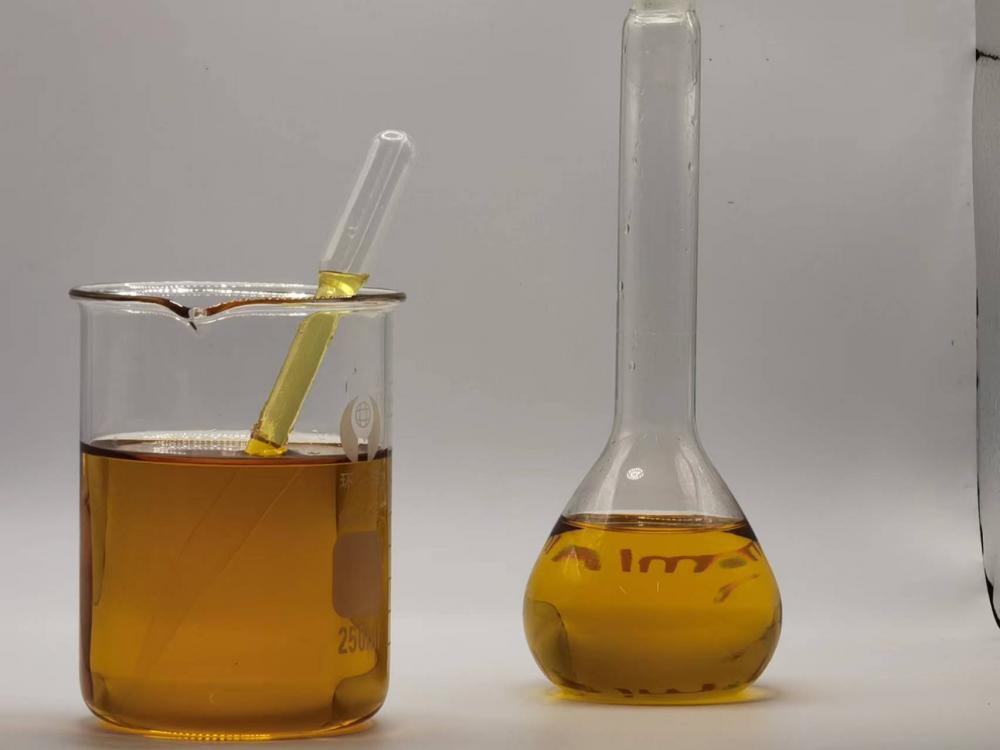
 

Furfural is a highly selective and renewable chemicals produced from agricultural waste. It has wide range of applications including refining petroleum, production of animal feed, solvent extraction, and also used as a building block in the production of furan resins, pharmaceuticals, and other specialty chemicals.

The global furfural market is estimated to be valued at US$ 625.21 Mn in 2023 and is expected to exhibit a CAGR of 7% over the forecast period 2023-2030, as highlighted in a new report published by Coherent Market Insights.

The global furfural market is driven by increasing demand for renewable and sustainable chemicals. Furfural is mainly derived from agricultural waste such as corncobs, bagasse, and rice hulls which makes it a sustainable chemical. Growing environmental concerns coupled with depleting fossil fuel reserves have increased the demand for bio-based and renewable chemicals across various end-use industries. Moreover, furfural serves as an intermediate in production of several downstream chemicals and materials such as solvents, resins, pharmaceuticals, and agrochemicals. Wide range of applications of furfural derived chemicals is expected to propel the market growth over the forecast period.

Market key trends:

The key trend driving the growth of furfural market is increasing demand for biofuels. Furfural is used in the production of furfuryl alcohol which is further used to produce biodiesel and other biofuels. Growing environmental regulation regarding use of fossil fuel based automotive fuels and support for renewable energy across the globe has accelerated the production of biofuels. For instance, according to International Energy Agency, global production of biodiesel increased from 17 billion liters in 2010 to over 27 billion liters in 2020. Thus, rising biofuel production is expected to augment the demand for furfural in the coming years.

Segment Analysis

The global furfural market is segmented based on source, application and region. By source, the sugarcane molasses segment dominated the market in 2023 and accounted for around 40% of the overall market share. Sugarcane molasses is a major by-product of sugar manufacturing from sugarcane and is widely available at low cost in major sugarcane producing regions which makes it preferred raw material for furfural production.

Key Takeaways

The global furfural market is expected to witness high growth over the forecast period of 2023-2030 at a CAGR of around 7%.

Asia Pacific dominated the market in 2023 with over 35% share and is expected to maintain its dominance during the forecast period driven by increasing demand from petroleum refining industries from major economies like China and India. Furthermore, increasing investments in sugarcane molasses-based furfural production facilities from key players is also driving the regional growth. Europe is next major market for furfural and accounted for around 30% share in 2023. The region is witnessing increasing demand for furfural from petroleum refining, pharmaceutical, agrochemical industries. Furthermore, initiatives by European Commission to promote bio-based chemicals and circular bioeconomy is also supporting the regional market growth.

Key players operating in the furfural market are Illovo Sugar Africa (Pty.) Ltd, Linzi Organic Chemical Inc. Ltd., Trans Furans Chemicals bvba, Central Romana Corporation, DalinYebo, Hebeichem, KRBL Ltd., Silva team S.p.a., and LENZING AG. Illovo Sugar Africa (Pty.) Ltd is one of the largest manufacturers of furfural in Asia Pacific region through its production facility located in South Africa.

Key players like LENZING AG and Silva team S.p.a. are focusing on expanding their production capacities and geographical footprint to leverage growth opportunities in the emerging markets like Europe and North America. The growing furfural demand from diverse end-use industries and initiatives to replace petroleum-based chemicals with bio-based ones are expected to drive the overall furfural market growth over the forecast period.

Comments

Popular posts from this blog

Industrial Alcohol Market Overview: Emerging Opportunities and Market Expansion Strategies The Industrial Alcohol Market is estimated for 2023 - 2030 forecast period, as highlighted in a new report published by Coherent Market Insights. Market Overview: Industrial alcohol is primarily used as a solvent in manufacturing industries such as automotive, pharmaceutical, cosmetics and others. It finds major applications in cleaning products, sanitizers, and disinfectants. Market Dynamics: The industrial alcohol market is expected to witness significant growth over the forecast period, owing to rising demand from end-use industries like automotive, pharmaceuticals, cosmetics and more. Growing requirement for surface disinfectants and sanitizers due to increasing hygiene standards post-Covid is driving market growth. Additionally, escalating demand for methanol and ethanol in production of light olefins, solvents and fuel oxygenates is also fueling market expansion. The increasing use of bioethanol as automotive fuel on account of various environmental regulations is further augmenting the market growth. Industrial Alcohol Market Drivers: Rising Demand for Alcohol-based Disinfectants and Sanitizers During COVID-19 The outbreak of the COVID-19 pandemic has significantly increased the demand for alcohol-based disinfectants and sanitizers across the globe. Various government organizations and health bodies recommend using hand sanitizers containing at least 60% alcohol to help reduce the spread of novel coronavirus. As a result, the sales of alcohol-based sanitizers have surged exponentially since the start of 2020. The industrial alcohol market players have witnessed a substantial rise in orders from sanitizer formulators and manufacturers to fulfill this unprecedented demand. Moreover, with workplaces, public transportation, schools, and other commercial spaces adopting proper sanitization protocols, the demand for industrial alcohol in sanitizers is expected to remain higher than pre-pandemic levels even after the crisis is over. Increasing Adoption of Alcohol as Biofuel Rising environmental concerns and depleting crude oil reserves are encouraging governments worldwide to promote the usage of renewable biofuels. Ethanol, which is produced from biomass feedstock through fermentation and distillation processes, has emerged as one of the leading biofuels. Many countries offer incentives and tax credits to biofuel producers and blenders. For instance, the US mandates a certain percentage of biofuel to be blended with gasoline each year under the Renewable Fuel Standard program. This steadily growing demand for ethanol as a biofuel additive is positively impacting the industrial alcohol market. Leading beverage alcohol producers are expanding their distillation capacities to capitalize on this opportunity. Industrial Alcohol Market Restrain: Stringent Regulations on Alcohol Production and Trade All countries have formulated strict norms and policies governing the production, trade, distribution, and usage of alcohol to prevent illegal activities. Players in the industrial alcohol market need to obtain various licenses and permits from concerned authorities and regularly file compliance reports. Moreover, regulations on alcohol concentration limits in final products lead to wastage of high-proof or undenatured alcohol. Changes in policies also disrupt the supply chain. For example, during the initial phase of the COVID-19 outbreak, there were export restrictions on industrial alcohol and raw materials in several countries, restricting supplies. While regulations aim to curb alcohol misuse, overcompliance also adds to the operational costs for market participants. Industrial Alcohol Market Opportunity: Growing Demand for Denatured Ethanol in Pharmaceutical and Personal Care Products Denatured or undrinkable ethanol finds numerous applications as a solvent and extractant in medicines, cosmetics, detergents, and other consumer goods. It is used as an emollient, viscosity-controlling agent, and preservative in personal care formulations. In the pharmaceutical industry, ethanol acts as an antibacterial agent and solubilizer for active pharmaceutical ingredients. With rising health awareness and increasing spending on health and wellness products, the demand for various pharmaceutical and personal care products is surging globally. This rising demand offers opportunities for industrial ethanol producers to expand into new applications through product innovation and partnerships with end-user companies. Industrial Alcohol Market Trend: Focus on Renewable and Sustainable Alcohol Production Concerns around fossil fuel depletion and carbon emissions are driving the shift towards sustainable production methods. Industrial alcohol producers are investing in advanced fermentation technologies and using renewable biomass as raw materials like sugarcane molasses, corn, and wheat to produce cellulosic ethanol and bio-based chemicals. For example, some companies produce ethanol from agricultural and forestry waste through biochemical and thermochemical conversion processes. There is also a growing focus on reducing energy and water usage through process optimization. Technological advancements in the area of genetically modified yeast strains and complex sugar fermentation are further supporting green alcohol manufacturing. This emphasis on renewable resources and efficiency complements governments' push for a low-carbon economy.

Sodium Caseinate Market Growth Insights and Demands

Concentrated Nitric Acid Market Growth Research, Industry Demand and Key Dynamics