Water Soluble Npk Fertilizers Market: An In-depth Analysis of Global Trends and Growth Drivers
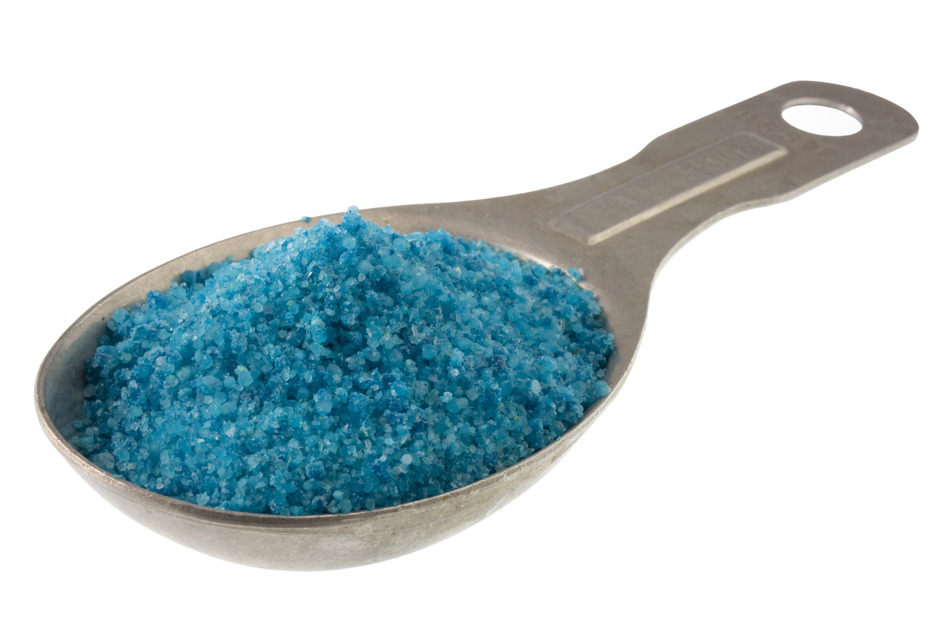
 

Water-soluble NPK fertilizers, also known as water-soluble fertilizers, are nutrient-rich compounds that dissolve readily in water, providing essential nutrients to plants for optimal growth and development. These fertilizers typically contain a balanced combination of three primary nutrients: nitrogen (N), phosphorus (P), and potassium (K), in varying ratios, designed to meet specific plant requirements. Water-soluble NPK fertilizers are widely used in modern agriculture to enhance crop yields and improve overall agricultural productivity.

The market for water-soluble NPK fertilizers has witnessed significant growth in recent years due to the increasing demand for high-quality crops and the need for efficient nutrient management in agriculture. This market's scope encompasses a broad range of applications, including field crops, horticultural crops, hydroponics, and greenhouse cultivation. Water-soluble NPK fertilizers are available in various formulations to cater to the specific nutrient needs of different crops, making them a versatile choice for farmers and growers.

Water-soluble NPK fertilizer market growth can be attributed to several factors. Firstly, these fertilizers offer several advantages over traditional granular or liquid fertilizers. They are highly soluble, which ensures rapid nutrient uptake by plants, reducing the risk of nutrient leaching and waste. Additionally, water-soluble NPK fertilizers can be applied through various irrigation systems, allowing for precise and efficient nutrient delivery. This flexibility has led to increased adoption among farmers seeking to optimize their fertilizer management practices.

The market is also influenced by ongoing trends in sustainable agriculture and the growing awareness of environmental concerns. Water-soluble NPK fertilizers enable better nutrient utilization, which minimizes excess nutrient runoff and its adverse effects on water bodies. This aligns with the sustainable agriculture practices that prioritize responsible nutrient management and reduced environmental impact. Consequently, governments and regulatory bodies have been encouraging the use of water-soluble NPK fertilizers as part of their agricultural policies.

Moreover, the industry has seen innovation and technological advancements in the formulation and packaging of water-soluble NPK fertilizers. Manufacturers are continuously developing new products with enhanced nutrient content and improved nutrient release mechanisms to meet the evolving demands of modern agriculture. These innovations are expected to further drive market growth as they cater to the specific needs of different crops and soil conditions.

In conclusion, the water-soluble NPK fertilizers market has experienced substantial growth, driven by their effectiveness in providing essential nutrients to crops, increased adoption by farmers, and alignment with sustainable agriculture practices. The industry is poised to continue evolving with ongoing innovations and advancements in fertilizer technology, further enhancing its role in modern agriculture.

Comments

Popular posts from this blog

Industrial Alcohol Market Overview: Emerging Opportunities and Market Expansion Strategies The Industrial Alcohol Market is estimated for 2023 - 2030 forecast period, as highlighted in a new report published by Coherent Market Insights. Market Overview: Industrial alcohol is primarily used as a solvent in manufacturing industries such as automotive, pharmaceutical, cosmetics and others. It finds major applications in cleaning products, sanitizers, and disinfectants. Market Dynamics: The industrial alcohol market is expected to witness significant growth over the forecast period, owing to rising demand from end-use industries like automotive, pharmaceuticals, cosmetics and more. Growing requirement for surface disinfectants and sanitizers due to increasing hygiene standards post-Covid is driving market growth. Additionally, escalating demand for methanol and ethanol in production of light olefins, solvents and fuel oxygenates is also fueling market expansion. The increasing use of bioethanol as automotive fuel on account of various environmental regulations is further augmenting the market growth. Industrial Alcohol Market Drivers: Rising Demand for Alcohol-based Disinfectants and Sanitizers During COVID-19 The outbreak of the COVID-19 pandemic has significantly increased the demand for alcohol-based disinfectants and sanitizers across the globe. Various government organizations and health bodies recommend using hand sanitizers containing at least 60% alcohol to help reduce the spread of novel coronavirus. As a result, the sales of alcohol-based sanitizers have surged exponentially since the start of 2020. The industrial alcohol market players have witnessed a substantial rise in orders from sanitizer formulators and manufacturers to fulfill this unprecedented demand. Moreover, with workplaces, public transportation, schools, and other commercial spaces adopting proper sanitization protocols, the demand for industrial alcohol in sanitizers is expected to remain higher than pre-pandemic levels even after the crisis is over. Increasing Adoption of Alcohol as Biofuel Rising environmental concerns and depleting crude oil reserves are encouraging governments worldwide to promote the usage of renewable biofuels. Ethanol, which is produced from biomass feedstock through fermentation and distillation processes, has emerged as one of the leading biofuels. Many countries offer incentives and tax credits to biofuel producers and blenders. For instance, the US mandates a certain percentage of biofuel to be blended with gasoline each year under the Renewable Fuel Standard program. This steadily growing demand for ethanol as a biofuel additive is positively impacting the industrial alcohol market. Leading beverage alcohol producers are expanding their distillation capacities to capitalize on this opportunity. Industrial Alcohol Market Restrain: Stringent Regulations on Alcohol Production and Trade All countries have formulated strict norms and policies governing the production, trade, distribution, and usage of alcohol to prevent illegal activities. Players in the industrial alcohol market need to obtain various licenses and permits from concerned authorities and regularly file compliance reports. Moreover, regulations on alcohol concentration limits in final products lead to wastage of high-proof or undenatured alcohol. Changes in policies also disrupt the supply chain. For example, during the initial phase of the COVID-19 outbreak, there were export restrictions on industrial alcohol and raw materials in several countries, restricting supplies. While regulations aim to curb alcohol misuse, overcompliance also adds to the operational costs for market participants. Industrial Alcohol Market Opportunity: Growing Demand for Denatured Ethanol in Pharmaceutical and Personal Care Products Denatured or undrinkable ethanol finds numerous applications as a solvent and extractant in medicines, cosmetics, detergents, and other consumer goods. It is used as an emollient, viscosity-controlling agent, and preservative in personal care formulations. In the pharmaceutical industry, ethanol acts as an antibacterial agent and solubilizer for active pharmaceutical ingredients. With rising health awareness and increasing spending on health and wellness products, the demand for various pharmaceutical and personal care products is surging globally. This rising demand offers opportunities for industrial ethanol producers to expand into new applications through product innovation and partnerships with end-user companies. Industrial Alcohol Market Trend: Focus on Renewable and Sustainable Alcohol Production Concerns around fossil fuel depletion and carbon emissions are driving the shift towards sustainable production methods. Industrial alcohol producers are investing in advanced fermentation technologies and using renewable biomass as raw materials like sugarcane molasses, corn, and wheat to produce cellulosic ethanol and bio-based chemicals. For example, some companies produce ethanol from agricultural and forestry waste through biochemical and thermochemical conversion processes. There is also a growing focus on reducing energy and water usage through process optimization. Technological advancements in the area of genetically modified yeast strains and complex sugar fermentation are further supporting green alcohol manufacturing. This emphasis on renewable resources and efficiency complements governments' push for a low-carbon economy.

Sodium Caseinate Market Growth Insights and Demands

Concentrated Nitric Acid Market Growth Research, Industry Demand and Key Dynamics