Pharmaceutical Plastic Bottles Market: Trends, Growth Factors, and Future Outlook
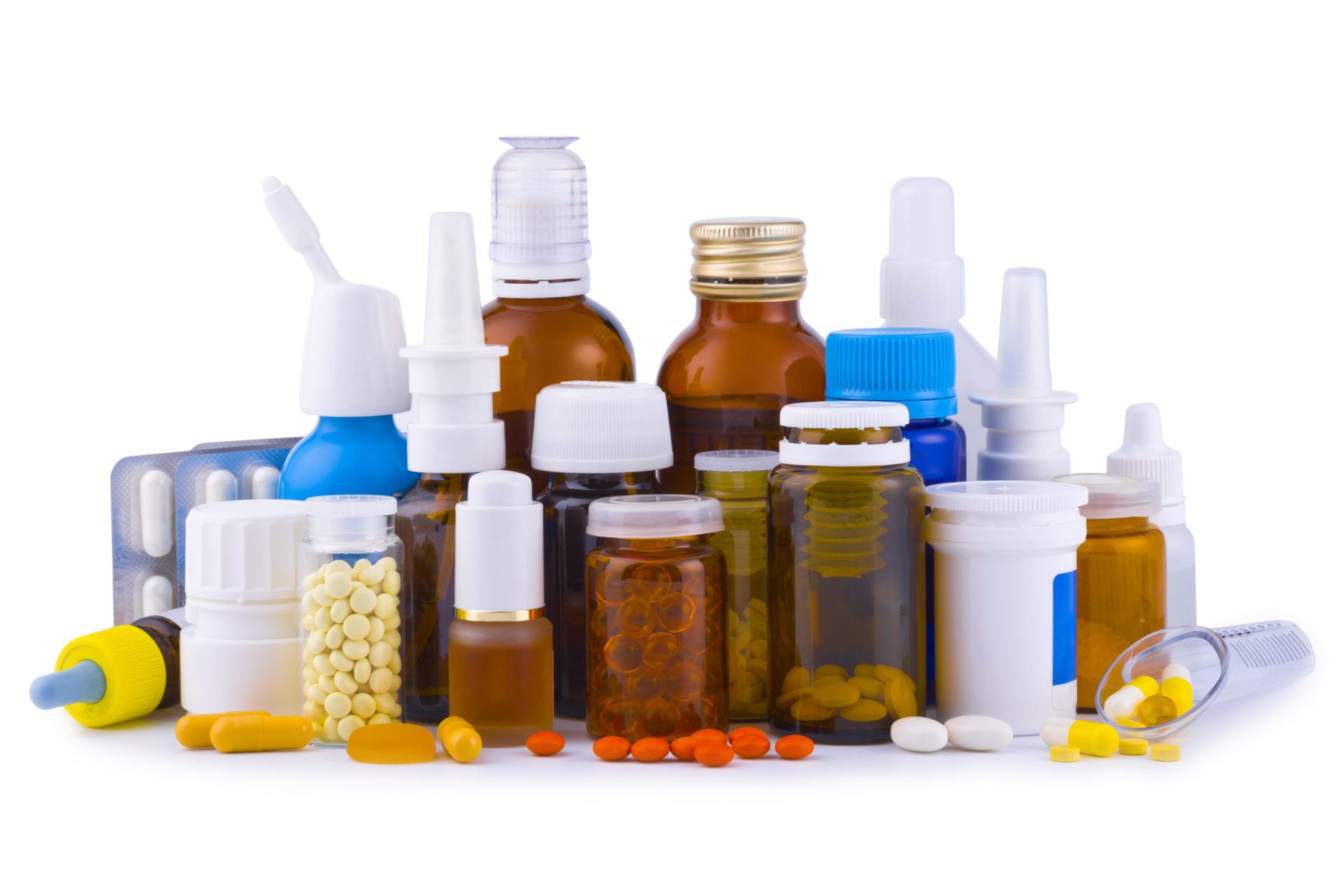
 

The pharmaceutical plastic bottles market is a critical segment within the broader pharmaceutical packaging industry. These bottles play a crucial role in safeguarding and preserving the integrity of pharmaceutical products, ensuring they reach patients in pristine condition. This market encompasses a wide range of plastic bottles specifically designed and manufactured to meet the unique requirements of the pharmaceutical sector.

The market overview of pharmaceutical plastic bottles reveals a dynamic landscape driven by the increasing demand for pharmaceutical products worldwide. As the pharmaceutical industry continues to expand, so does the need for reliable and efficient packaging solutions. Pharmaceutical plastic bottles have become an indispensable part of this ecosystem, offering advantages such as lightness, durability, and versatility, which are essential for pharmaceutical companies seeking to optimize their packaging processes.

The Pharmaceutical plastic bottles market growth is strongly influenced by several factors. Firstly, the global population's growing healthcare needs, coupled with an aging demographic, drive the demand for pharmaceuticals. As a result, pharmaceutical companies are continually developing new products, driving further demand for innovative and efficient packaging solutions. Additionally, regulatory requirements and quality standards have become more stringent, necessitating packaging solutions that can maintain product integrity throughout its shelf life.

The pharmaceutical plastic bottles industry exhibits several notable trends. One significant trend is the increasing adoption of sustainable and eco-friendly materials in bottle manufacturing. Pharmaceutical companies are under increasing pressure to reduce their environmental footprint, and this has led to the development of bio-based plastics and recyclable materials for bottle production. Additionally, there is a growing preference for child-resistant and tamper-evident packaging solutions to enhance patient safety and comply with regulations.

In conclusion, the pharmaceutical plastic bottles market is a vital component of the pharmaceutical packaging industry, ensuring the safe and secure delivery of pharmaceutical products to consumers. As the pharmaceutical sector continues to expand and evolve, this market will likely witness further growth and innovation, with an emphasis on sustainability and safety. Adapting to emerging trends and regulatory changes will be crucial for companies operating in this dynamic market.

Comments

Popular posts from this blog

Banana Puree Market Global Industry Analysis, Key Players and Forecasts 2030

Industrial Alcohol Market Overview: Emerging Opportunities and Market Expansion Strategies The Industrial Alcohol Market is estimated for 2023 - 2030 forecast period, as highlighted in a new report published by Coherent Market Insights. Market Overview: Industrial alcohol is primarily used as a solvent in manufacturing industries such as automotive, pharmaceutical, cosmetics and others. It finds major applications in cleaning products, sanitizers, and disinfectants. Market Dynamics: The industrial alcohol market is expected to witness significant growth over the forecast period, owing to rising demand from end-use industries like automotive, pharmaceuticals, cosmetics and more. Growing requirement for surface disinfectants and sanitizers due to increasing hygiene standards post-Covid is driving market growth. Additionally, escalating demand for methanol and ethanol in production of light olefins, solvents and fuel oxygenates is also fueling market expansion. The increasing use of bioethanol as automotive fuel on account of various environmental regulations is further augmenting the market growth. Industrial Alcohol Market Drivers: Rising Demand for Alcohol-based Disinfectants and Sanitizers During COVID-19 The outbreak of the COVID-19 pandemic has significantly increased the demand for alcohol-based disinfectants and sanitizers across the globe. Various government organizations and health bodies recommend using hand sanitizers containing at least 60% alcohol to help reduce the spread of novel coronavirus. As a result, the sales of alcohol-based sanitizers have surged exponentially since the start of 2020. The industrial alcohol market players have witnessed a substantial rise in orders from sanitizer formulators and manufacturers to fulfill this unprecedented demand. Moreover, with workplaces, public transportation, schools, and other commercial spaces adopting proper sanitization protocols, the demand for industrial alcohol in sanitizers is expected to remain higher than pre-pandemic levels even after the crisis is over. Increasing Adoption of Alcohol as Biofuel Rising environmental concerns and depleting crude oil reserves are encouraging governments worldwide to promote the usage of renewable biofuels. Ethanol, which is produced from biomass feedstock through fermentation and distillation processes, has emerged as one of the leading biofuels. Many countries offer incentives and tax credits to biofuel producers and blenders. For instance, the US mandates a certain percentage of biofuel to be blended with gasoline each year under the Renewable Fuel Standard program. This steadily growing demand for ethanol as a biofuel additive is positively impacting the industrial alcohol market. Leading beverage alcohol producers are expanding their distillation capacities to capitalize on this opportunity. Industrial Alcohol Market Restrain: Stringent Regulations on Alcohol Production and Trade All countries have formulated strict norms and policies governing the production, trade, distribution, and usage of alcohol to prevent illegal activities. Players in the industrial alcohol market need to obtain various licenses and permits from concerned authorities and regularly file compliance reports. Moreover, regulations on alcohol concentration limits in final products lead to wastage of high-proof or undenatured alcohol. Changes in policies also disrupt the supply chain. For example, during the initial phase of the COVID-19 outbreak, there were export restrictions on industrial alcohol and raw materials in several countries, restricting supplies. While regulations aim to curb alcohol misuse, overcompliance also adds to the operational costs for market participants. Industrial Alcohol Market Opportunity: Growing Demand for Denatured Ethanol in Pharmaceutical and Personal Care Products Denatured or undrinkable ethanol finds numerous applications as a solvent and extractant in medicines, cosmetics, detergents, and other consumer goods. It is used as an emollient, viscosity-controlling agent, and preservative in personal care formulations. In the pharmaceutical industry, ethanol acts as an antibacterial agent and solubilizer for active pharmaceutical ingredients. With rising health awareness and increasing spending on health and wellness products, the demand for various pharmaceutical and personal care products is surging globally. This rising demand offers opportunities for industrial ethanol producers to expand into new applications through product innovation and partnerships with end-user companies. Industrial Alcohol Market Trend: Focus on Renewable and Sustainable Alcohol Production Concerns around fossil fuel depletion and carbon emissions are driving the shift towards sustainable production methods. Industrial alcohol producers are investing in advanced fermentation technologies and using renewable biomass as raw materials like sugarcane molasses, corn, and wheat to produce cellulosic ethanol and bio-based chemicals. For example, some companies produce ethanol from agricultural and forestry waste through biochemical and thermochemical conversion processes. There is also a growing focus on reducing energy and water usage through process optimization. Technological advancements in the area of genetically modified yeast strains and complex sugar fermentation are further supporting green alcohol manufacturing. This emphasis on renewable resources and efficiency complements governments' push for a low-carbon economy.

Ultraviolet Uv Curable Resins Market 2023: Key Trends, Challenges and Standardization, Research