Stationary Energy Storage Market: A Comprehensive Analysis of Global Trends and Future Outlook
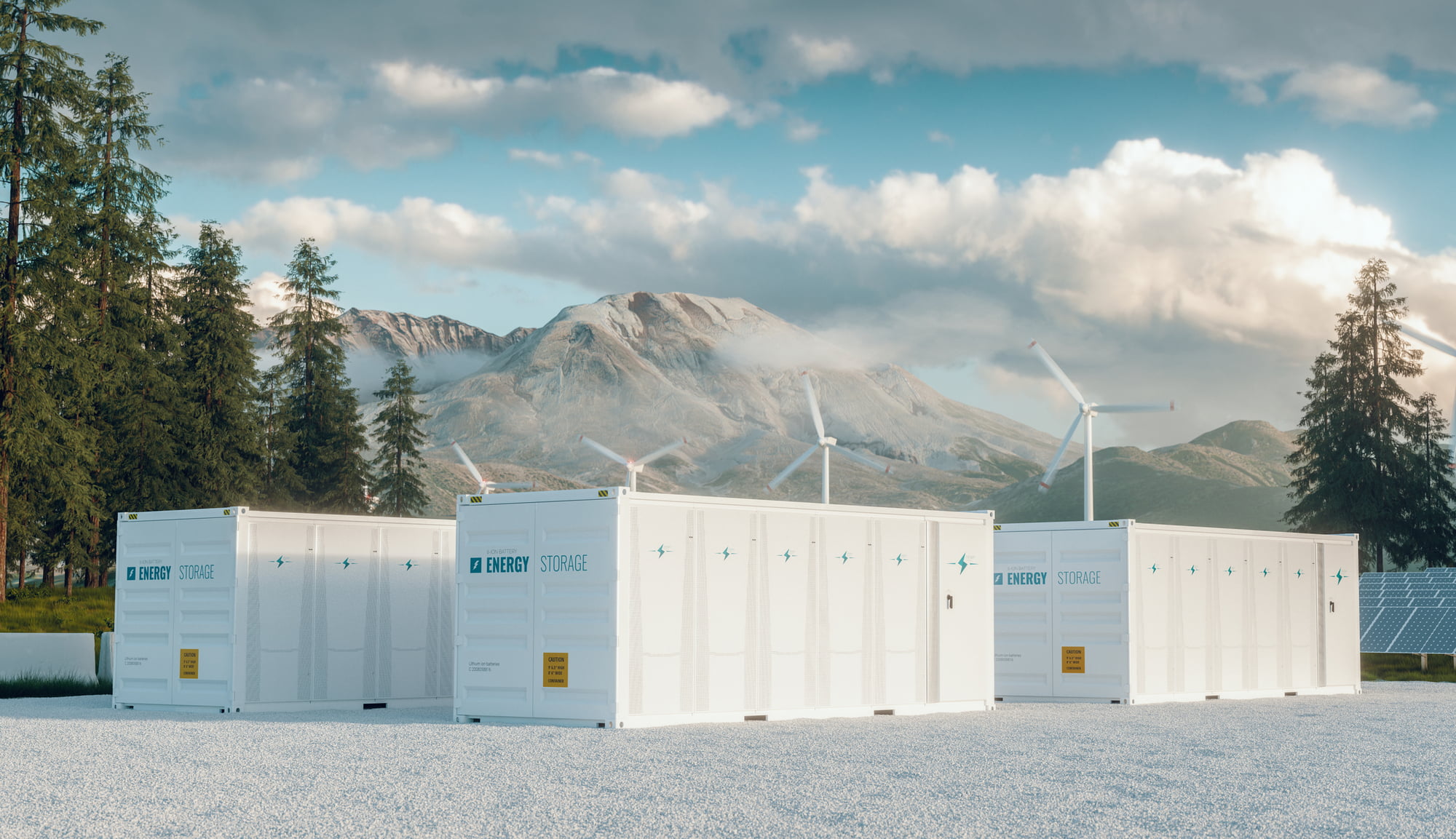
The stationary energy storage market refers to the market for energy storage systems that are designed to store electrical energy and provide it on demand for stationary applications. These applications can include residential, commercial, and industrial sectors, as well as utility-scale installations.
Stationary energy storage systems play a crucial role in the integration of renewable energy sources, such as solar and wind power, into the electrical grid. They help mitigate the intermittent nature of these renewable sources by storing excess energy generated during periods of high production and releasing it during times of high demand or low production.
Here is some key information about the stationary energy storage market:
Market Size and Growth: The stationary energy storage market has been witnessing significant growth in recent years. Factors driving this growth include increasing renewable energy installations, grid modernization efforts, and growing demand for reliable backup power solutions. The market size is expected to continue expanding as the need for energy storage solutions rises.
Technology Types: There are various technologies used in stationary energy storage systems, including batteries, pumped hydro storage, compressed air energy storage, flywheels, and thermal storage. Among these, lithium-ion batteries are the most widely deployed due to their high energy density, efficiency, and declining costs.
Applications: Stationary energy storage systems find applications in a wide range of sectors. They are used for peak shaving and load leveling to manage grid stability, frequency regulation, and voltage control. They are also deployed in microgrids, off-grid systems, and as backup power solutions for critical facilities.
Market Players: The stationary energy storage market is highly competitive, with several key players operating globally. These include established battery manufacturers, energy storage integrators, and technology providers. Major companies involved in the market include Tesla, LG Chem, Fluence, Siemens, Samsung SDI, and ABB.
Government Support and Policies: Governments worldwide are implementing supportive policies and incentives to promote the deployment of stationary energy storage systems. These policies aim to accelerate the transition to clean energy sources, improve grid resiliency, and reduce greenhouse gas emissions.
Market Challenges: Despite the positive market outlook, there are challenges that need to be addressed for the widespread adoption of stationary energy storage. These include high initial costs, limited energy density for certain technologies, regulatory barriers, and the need for standardized performance metrics.
Future Trends: The stationary energy storage market is expected to witness significant advancements in technology and cost reductions. Continued research and development efforts aim to improve battery technologies, explore alternative storage technologies, and enhance system integration capabilities. Furthermore, the integration of artificial intelligence and advanced energy management systems will enable better optimization and control of energy storage systems.
Comments
Post a Comment