PVC Pipes Market Insights: Emerging Trends and Future Outlook for PVC Pipes Industry
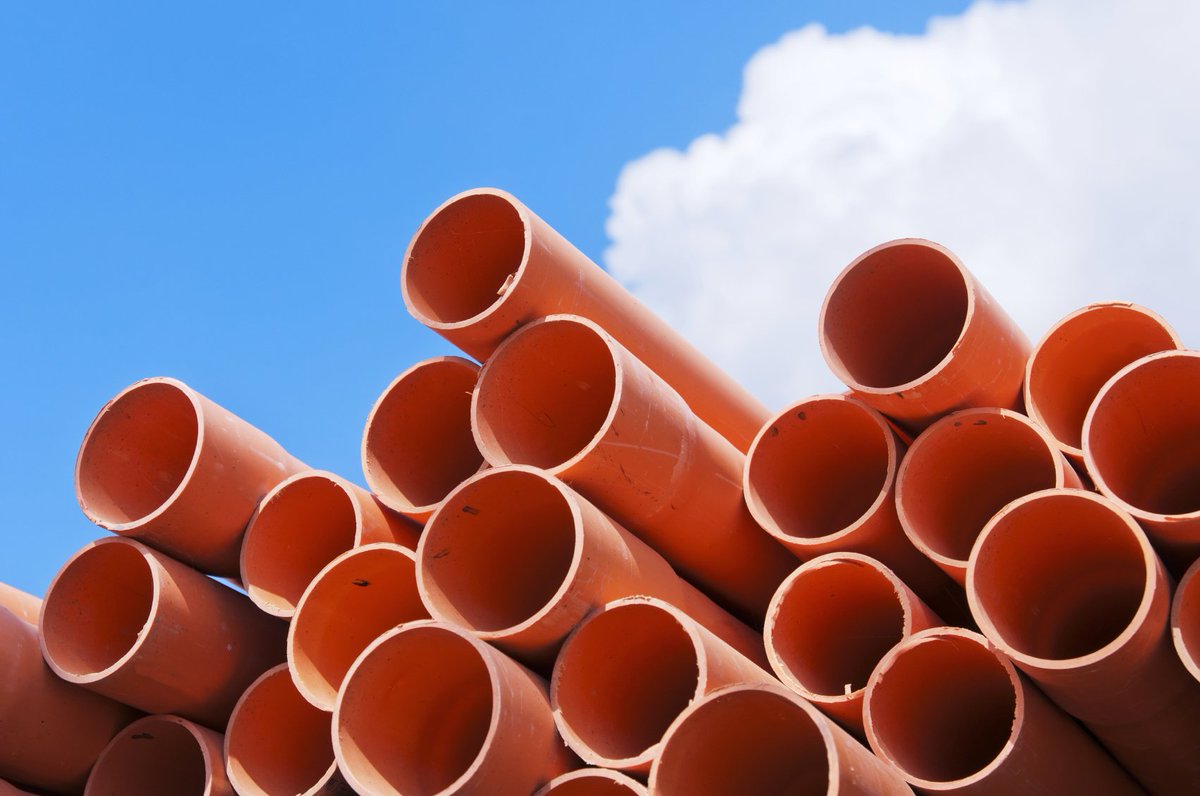
PVC pipes are cylindrical tubes made from polyvinyl chloride (PVC), a versatile synthetic plastic material. They are commonly used for various applications, including plumbing, irrigation, drainage, and industrial processes. PVC pipes are known for their durability, affordability, corrosion resistance, and ease of installation. They play a crucial role in water supply systems, sewage networks, and construction projects.
The PVC pipes market refers to the global industry that involves the production, distribution, and consumption of polyvinyl chloride (PVC) pipes. PVC pipes are versatile and commonly used in various applications across different sectors, including construction, irrigation, plumbing, sewage systems, and industrial processes.
Key Players:
- JM Eagle
- Aliaxis Group
- Sekisui Chemical Co., Ltd.
- Georg Fischer AG
- Advanced Drainage Systems, Inc.
- China Lesso Group Holdings Ltd.
- Tigre SA
- Polypipe Group PLC
- Finolex Industries Ltd.
- Astral Poly Technik Ltd.
Market Drivers:
- Growing Construction Industry: The increasing construction activities, particularly in emerging economies, are driving the demand for PVC pipes in applications such as plumbing, drainage, and underground water supply systems.
- Urbanization and Infrastructure Development: Rapid urbanization and the need for infrastructure development, such as water supply and sewage systems, are propelling the demand for PVC pipes.
- Cost-effectiveness and Durability: PVC pipes are relatively affordable compared to other materials, and they offer excellent durability, resistance to corrosion, and long service life, making them a preferred choice in many applications.
- Increasing Agricultural Activities: PVC pipes are extensively used in agricultural irrigation systems due to their low cost, easy installation, and resistance to chemicals and weather conditions.
- Technological Advancements: Continuous advancements in PVC pipe manufacturing processes, including the development of new formulations and improved production techniques, are contributing to the market growth.
Market Restraints:
- Environmental Concerns: PVC is associated with environmental concerns due to its production process, use of additives, and potential for releasing toxic substances when burned. This has led to increased scrutiny and regulations, impacting the PVC pipes market.
- Competition from Alternative Materials: PVC pipes face competition from alternative materials such as steel, ductile iron, and high-density polyethylene (HDPE) pipes, which offer different advantages and are preferred in certain applications.
- Volatility in Raw Material Prices: Fluctuations in the prices of raw materials used in PVC pipe production, such as PVC resin and additives, can impact the overall cost and profitability of manufacturers.
Market Segmentation: The PVC pipes market can be segmented based on various factors, including:
- Application: Construction, irrigation, water supply, sewerage and drainage, industrial, and others.
- Type: UPVC (unplasticized PVC) pipes and CPVC (chlorinated PVC) pipes.
- Diameter: Small diameter pipes, medium diameter pipes, and large diameter pipes.
- End-Use Sector: Residential, commercial, and industrial.
Regional Analysis: The PVC pipes market is geographically segmented into regions such as North America, Europe, Asia Pacific, Latin America, and the Middle East and Africa. Asia Pacific is the largest market for PVC pipes, driven by rapid urbanization, infrastructure development, and agricultural activities in countries like China and India. North America and Europe also hold significant market shares due to the demand for PVC pipes in construction and industrial applications.
Future Outlook: The PVC pipes market is expected to witness steady growth in the coming years, driven by factors such as infrastructure development, urbanization, and the demand for efficient plumbing and water management systems. However, the market will also face challenges related to environmental concerns and competition from alternative materials. Manufacturers are likely to focus on sustainable practices, product innovation, and expanding their product portfolios to capture emerging opportunities in different applications and regions.


Comments
Post a Comment