Food Preservatives Market: Growing Demand for Shelf-Life Extension Solutions Drives Global Industry Growth
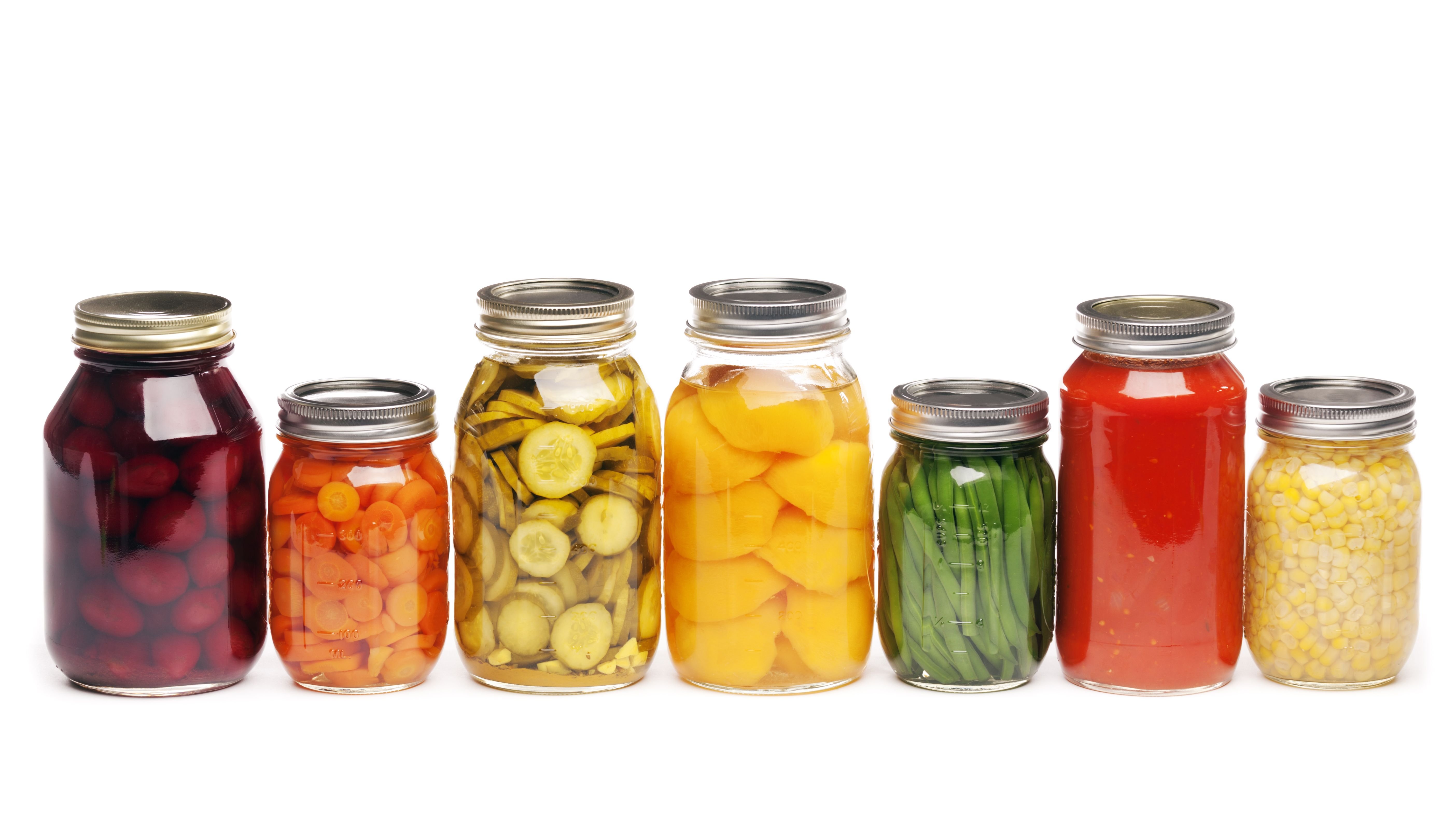
Food preservatives are substances added to food products to prevent spoilage, maintain freshness, and extend their shelf life. These additives inhibit the growth of microorganisms, such as bacteria, yeasts, and molds, which can cause food to deteriorate. By slowing down enzymatic reactions and minimizing oxidation processes, food preservatives help maintain the nutritional value and sensory qualities of the products. They are widely used in processed meats, dairy products, bakery items, sauces, snacks, and beverages. The use of food preservatives ensures food safety, reduces food waste, and meets consumer demands for longer-lasting and consistently high-quality food products.
The food preservatives market refers to the industry that deals with the production, distribution, and sale of substances used to preserve the quality, freshness, and shelf life of food products. Food preservatives are additives that help inhibit the growth of microorganisms, prevent spoilage, and maintain the nutritional value and sensory attributes of food.
Preservatives are commonly used in various food and beverage products, including processed meats, dairy products, bakery items, sauces, snacks, and beverages. They play a crucial role in preventing microbial contamination, slowing down enzymatic reactions, and minimizing oxidation processes that can lead to food deterioration.
There are different types of food preservatives available, categorized based on their mode of action:
Antimicrobial Preservatives: These inhibit the growth of bacteria, yeasts, molds, and other microorganisms. Examples include sorbic acid, benzoic acid, natamycin, and sodium nitrite.
Antioxidant Preservatives: These prevent the oxidation of fats and oils, thereby extending the shelf life of products containing them. Common examples are ascorbic acid (vitamin C), tocopherols (vitamin E), and butylated hydroxyanisole (BHA).
Chelating Agents: These compounds bind to metal ions, such as iron and copper, which can promote the deterioration of food. Ethylenediaminetetraacetic acid (EDTA) is a commonly used chelating agent.
Natural Preservatives: These are derived from natural sources and include substances like vinegar, salt, sugar, and plant extracts such as rosemary and grapefruit seed extract.
The food preservatives market is driven by several factors, including the increasing demand for convenience foods, changing consumer lifestyles, and the need to reduce food waste. Preservatives help manufacturers meet consumer expectations for longer shelf life, consistent quality, and food safety. Additionally, the growing global population and the expansion of the food and beverage industry are fueling the market's growth.
However, there are concerns regarding the potential health risks associated with certain synthetic preservatives, leading to a growing demand for natural and organic alternatives. Consumer preferences for clean label products, which are free from artificial additives, have influenced the market dynamics, leading to the development of innovative preservative solutions.
Government regulations and guidelines play a significant role in shaping the food preservatives market. Regulatory bodies, such as the Food and Drug Administration (FDA) in the United States and the European Food Safety Authority (EFSA) in Europe, establish maximum limits and safety requirements for preservatives used in food products.
In summary, the food preservatives market is a vital component of the food industry, providing solutions to enhance food safety, quality, and shelf life. The market is driven by factors like consumer demand, industry expansion, and regulatory compliance. Continuous research and development efforts are focused on improving the efficacy and safety of preservatives while addressing consumer preferences for natural and clean label products.


Comments
Post a Comment