Ski Gear And Equipment Market Top Manufacturers, Price Trends and Forecast To 2030
The ski gear and equipment market is a thriving industry that caters to the needs of skiers around the world. It encompasses a wide range of products designed to enhance safety, performance, and comfort while skiing. Here is some information about the ski gear and equipment market:
Overview: The ski gear and equipment market includes various items such as skis, boots, bindings, poles, helmets, goggles, gloves, jackets, pants, and other accessories. These products are used by skiers of all skill levels, from beginners to professionals.
Market Size: The global ski gear and equipment market has been steadily growing over the years. Factors contributing to market growth include the increasing popularity of skiing as a recreational activity, the growth of winter tourism, and advancements in technology that have improved the performance and safety of ski equipment.
Key Players: The market is dominated by several key players, including ski gear manufacturers, retailers, and online platforms. Some well-known companies in the ski gear and equipment market include Rossignol, Salomon, Atomic, Fischer, Head, Marker, Burton, The North Face, and Columbia.
Product Categories:
a. Skis: Skis are a crucial component of ski gear and come in various types, including all-mountain skis, carving skis, powder skis, and freestyle skis. Skis are designed with different features to suit specific skiing styles and terrains.
b. Boots: Ski boots provide support, comfort, and control to the skier. They come in different flex ratings, which determine the boot's stiffness. Ski boots should fit snugly to ensure optimal performance and minimize the risk of injuries.
c. Bindings: Ski bindings are the interface between the skier's boots and the skis. They release the skier's boots from the skis during a fall or excessive force, thereby reducing the risk of injury. Bindings also enable the skier to control the skis.
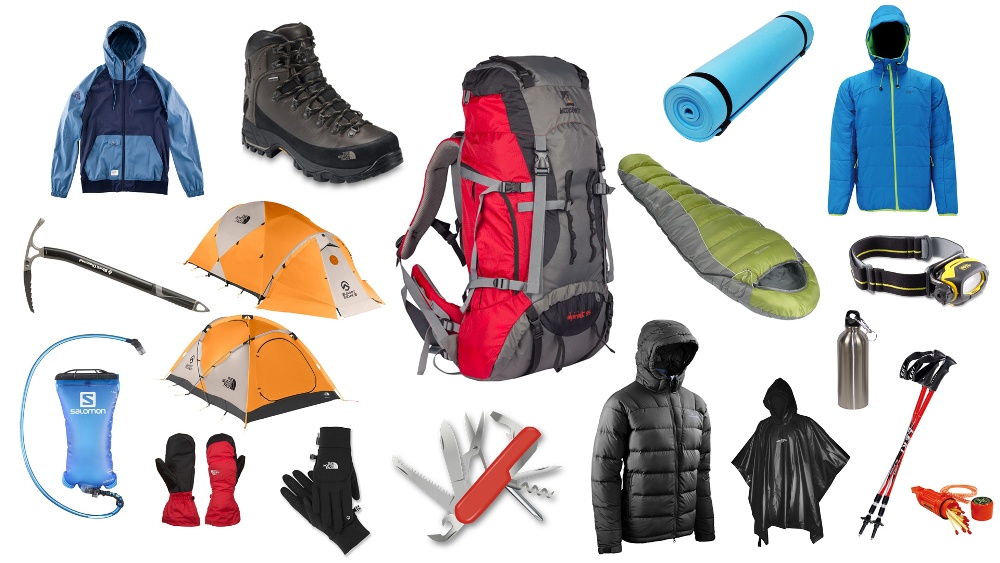
d. Apparel and Accessories: Ski apparel includes jackets, pants, base layers, gloves, socks, and hats. These products are designed to provide insulation, breathability, and waterproofing to keep skiers comfortable in various weather conditions. Accessories include helmets, goggles, ski poles, backpacks, and protective gear.Market Trends:
a. Technological Advancements: Ski gear manufacturers are continually innovating to enhance product performance and safety. This includes the use of new materials, improved ski construction techniques, and advancements in binding technology.
b. Sustainability: There is a growing focus on sustainable and eco-friendly ski gear. Manufacturers are exploring environmentally friendly materials, reducing waste, and implementing recycling programs.
c. Customization: Many companies offer personalized ski gear options, allowing skiers to customize their skis, boots, and apparel based on their preferences, skill level, and body measurements.
d. Online Retail: The rise of e-commerce has significantly impacted the ski gear market. Many consumers prefer the convenience of online shopping, which has led to the growth of online retailers specializing in ski gear.Distribution Channels: Ski gear and equipment can be purchased from various channels, including specialty ski shops, sporting goods stores, department stores, online retailers, and brand-specific stores.
Price Range: The price of ski gear and equipment varies widely depending on the brand, quality, and specific product. Skis can range from a few hundred dollars to several thousand dollars, while boots, bindings, and apparel also vary in price.
It's important to note that the ski gear and equipment market is dynamic, with new products and trends emerging regularly. It's recommended to research specific brands and products to get the most up-to-date information before making a purchase.


Comments
Post a Comment