Corrosion Resistant Resin Market Growth Insights with SWOT and PESTAL Analysis till 2030
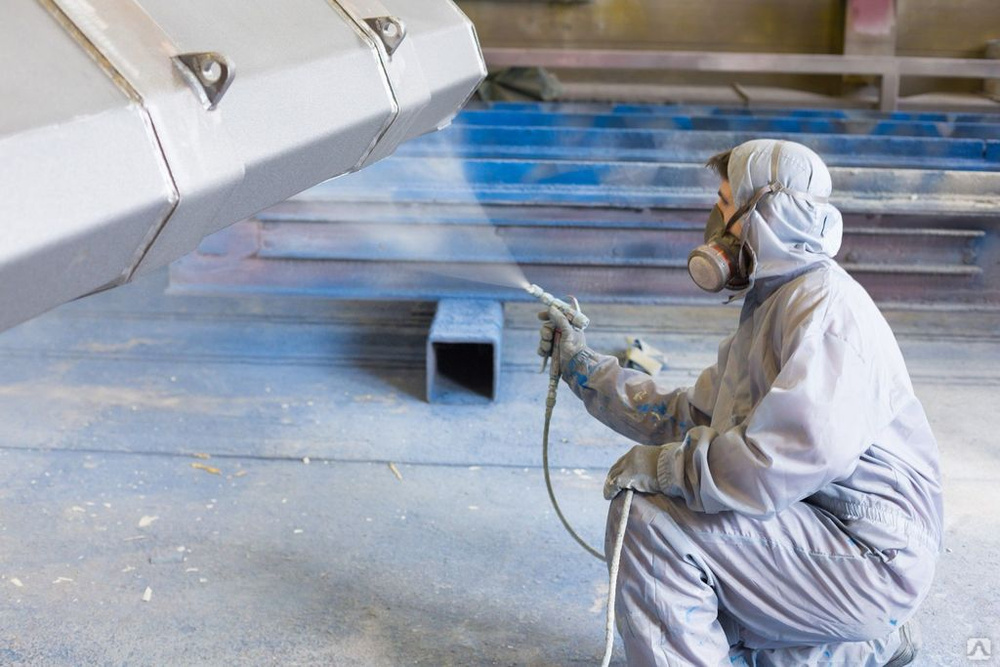
The corrosion resistant resin market is a segment of the chemical industry that deals with the production and distribution of resins specifically designed to provide protection against corrosion. Corrosion is a natural process that occurs when metals or alloys react with their environment, leading to a deterioration of their physical properties and structural integrity. Corrosion resistant resins are formulated to inhibit or slow down this process, extending the lifespan and performance of the materials they are applied to.
Here is some comprehensive information about the corrosion resistant resin market:
Types of Corrosion Resistant Resins:
Epoxy Resins: Epoxy resins are widely used in corrosion protection due to their excellent adhesion, chemical resistance, and durability. They can be applied as coatings, linings, or composites to protect a variety of substrates, including metals, concrete, and fiberglass.
Polyester Resins: Polyester resins are known for their high resistance to a wide range of chemicals and environmental conditions. They are commonly used in applications such as tanks, pipes, and industrial equipment where corrosion protection is critical.
Vinyl Ester Resins: Vinyl ester resins offer superior chemical resistance compared to polyester resins and can withstand highly corrosive environments. They are often used in industries such as chemical processing, oil and gas, and marine applications.
Polyurethane Resins: Polyurethane resins provide excellent resistance to abrasion, impact, and chemicals. They are commonly used in coatings and linings for surfaces exposed to aggressive environments, such as wastewater treatment plants and chemical storage facilities.
Phenolic Resins: Phenolic resins are widely used in corrosion-resistant applications due to their high heat resistance, electrical insulation properties, and chemical resistance. They find applications in the production of coatings, adhesives, and molded products.
Applications of Corrosion Resistant Resins:
Oil and Gas Industry: Corrosion resistant resins are extensively used in offshore platforms, pipelines, storage tanks, and other equipment involved in the extraction, transportation, and processing of oil and gas.
Marine Industry: Shipbuilding, offshore structures, and marine equipment require corrosion protection due to constant exposure to saltwater and harsh marine environments. Corrosion resistant resins provide long-lasting protection in these applications.
Chemical Processing Industry: Chemical plants often handle corrosive substances, and the use of corrosion resistant resins in equipment, storage tanks, and pipes is crucial to prevent leaks, failures, and accidents.
Infrastructure and Construction: Corrosion resistant resins are used in infrastructure projects such as bridges, highways, and buildings to protect steel reinforcement, concrete structures, and other metal components from corrosion caused by environmental factors.
Automotive and Transportation: Corrosion resistant resins are used in automotive coatings to protect vehicles from rust and deterioration caused by exposure to moisture, chemicals, and road salts.
Market Trends and Growth Factors:
Increasing Demand for Corrosion Protection: The need for corrosion-resistant materials is rising across various industries due to the growing awareness of the economic and safety risks associated with corrosion. This drives the demand for corrosion resistant resins.
Advancements in Resin Technology: Ongoing research and development efforts are focused on enhancing the performance and durability of corrosion resistant resins. This includes the development of novel resin formulations, improved curing systems, and better application methods.
Stringent Environmental Regulations: Governments and regulatory bodies are implementing stricter regulations concerning corrosion prevention and environmental protection. This prompts industries to adopt corrosion resistant resins that comply with these regulations.
Growth in End-Use Industries: Industries such as oil and gas, marine, and infrastructure are expanding globally, creating a higher demand for corrosion resistant resins. Rapid industrialization and urbanization in developing countries also contribute to market


Comments
Post a Comment