Ski Gear and Equipment Market Share 2023 by Key Suppliers, Pricing Trends
Ski Gear And Equipment
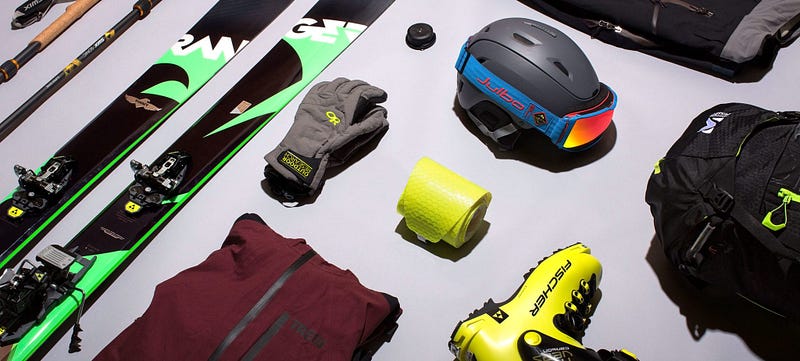
Ski gear and equipment refer to the items and tools necessary for skiing. These can include skis, boots, bindings, helmets, goggles, gloves, and other protective gear. Skis come in various shapes and sizes, depending on the type of skiing and terrain, and can be made from different materials such as wood, metal, or plastic. Boots are designed to provide comfort and support while allowing the skier to control their skis. Bindings secure the boots to the skis and are essential for safety. Helmets and goggles protect the skier's head and eyes from potential hazards such as falls and icy winds. Gloves keep the hands warm and protected while also providing a better grip on the ski poles. Other accessories such as ski poles, backpacks, and ski jackets also contribute to the skier's overall experience and performance. High-quality ski gear and equipment are crucial for a safe and enjoyable skiing experience, and it's essential to choose gear that fits properly and suits your individual needs and preferences.
Ski Gear And Equipment Market Overview
The ski gear and equipment market is a thriving industry that caters to skiers of all levels, from beginners to professionals. The market includes a wide range of products, from basic entry-level gear to high-end equipment designed for expert skiers. The market is constantly evolving, with new materials, technologies, and designs being introduced regularly. The demand for ski gear and equipment is driven by factors such as increasing interest in winter sports, rising disposable incomes, and the popularity of skiing as a recreational activity. The market is highly competitive, with numerous brands and manufacturers vying for market share. Some of the leading players in the industry include Rossignol, Fischer Sports, Salomon, and Atomic. Online sales channels have become increasingly popular, allowing consumers to purchase ski gear and equipment from the comfort of their homes. Overall, the ski gear and equipment market is expected to continue to grow in the coming years as more people take up skiing as a hobby or sport.
Ski Gear And Equipment Market Growth
The ski gear and equipment market has experienced steady growth over the past few years and is expected to continue growing in the future. The market growth can be attributed to various factors such as an increase in the number of people participating in winter sports, rising disposable incomes, and the popularity of skiing as a recreational activity. Additionally, the advancements in technology and the introduction of innovative materials have led to the development of high-performance gear and equipment, which has further contributed to market growth. The rise of online sales channels has also made it easier for consumers to purchase ski gear and equipment, driving the market growth further. The ski gear and equipment market is highly competitive, with numerous brands and manufacturers vying for market share. Some of the key players in the market include Rossignol, Fischer Sports, Salomon, and Atomic. Overall, the ski gear and equipment market is expected to continue to grow at a steady pace in the coming years, driven by an increasing interest in winter sports and the constant innovation and development of high-quality gear and equipment.
Ski Gear And Equipment Market Trends
The ski gear and equipment market is constantly evolving, with new trends emerging regularly. One of the major trends in the market is the use of sustainable and eco-friendly materials in the production of ski gear and equipment, reflecting the growing demand for environmentally conscious products. Another trend is the focus on customization, with manufacturers offering personalized ski gear and equipment to cater to individual preferences and needs. The rise of digital technology has also influenced the market, with the introduction of smart ski gear and equipment that can track performance and provide real-time data to skiers. Additionally, there is a growing trend towards lightweight and compact gear and equipment, which enhances mobility and improves the overall skiing experience. The market is also seeing an increase in demand for gender-neutral ski gear and equipment, with manufacturers offering more unisex options. Finally, the COVID-19 pandemic has resulted in a shift towards domestic skiing and increased demand for affordable, entry-level ski gear and equipment. Overall, the ski gear and equipment market trends reflect the changing preferences and needs of consumers, and the constant innovation and development of new and improved products by manufacturers.


Comments
Post a Comment