(Trifluoromethoxy) benzene Market Share, Size, Financial Summaries Analysis from 2023-2030
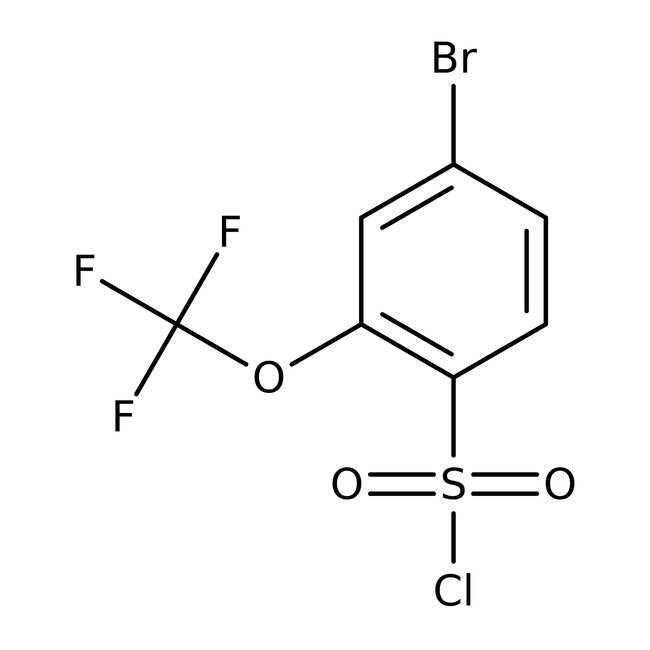
Trifluoromethoxy Benzene
Trifluoromethoxy benzene is an aromatic organic compound with the molecular formula C7H4F3O. It is a clear, colorless liquid at room temperature and is insoluble in water. It is commonly used as a reagent in organic synthesis reactions due to its electron-withdrawing trifluoromethoxy group, which can increase the reactivity of certain molecules. It can also be used as a solvent or as a building block in the synthesis of more complex compounds. Trifluoromethoxy benzene is considered to be a hazardous substance and should be handled with care due to its toxicity and flammability.
(Trifluoromethoxy) benzene Market
The market for (trifluoromethoxy) benzene, also known as 2-(trifluoromethoxy)benzene, is driven by its use as a building block and reagent in the pharmaceutical and agrochemical industries. It is used in the synthesis of a variety of compounds, including herbicides, fungicides, and pharmaceutical intermediates.
The pharmaceutical industry is a major consumer of (trifluoromethoxy) benzene, as it is used in the synthesis of a wide range of drugs, including antihistamines, antipsychotics, and antiviral agents. The increasing demand for such drugs, along with the growth of the pharmaceutical industry, is expected to drive the demand for (trifluoromethoxy) benzene in the coming years.
The agrochemical industry is also a major consumer of (trifluoromethoxy) benzene. It is used in the synthesis of a variety of herbicides and fungicides, which are in high demand due to the increasing need for food production to meet the growing global population.
The market for (trifluoromethoxy) benzene is primarily driven by demand from the pharmaceutical and agrochemical industries in North America, Europe, and Asia-Pacific. Key players in the market include Fluorochem Ltd., Alfa Aesar, J&K Scientific, Santa Cruz Biotechnology, and Acros Organics.
(Trifluoromethoxy) benzene Market Growth
The (trifluoromethoxy) benzene market is expected to experience moderate growth in the coming years. The increasing demand for pharmaceuticals and agrochemicals, along with the growing need for food production to meet the global population's needs, is expected to drive the demand for (trifluoromethoxy) benzene.
The pharmaceutical industry is expected to remain the dominant end-use segment for (trifluoromethoxy) benzene. The increasing prevalence of chronic diseases, such as cancer, diabetes, and cardiovascular diseases, is expected to drive the demand for drugs that require (trifluoromethoxy) benzene as a building block or reagent in their synthesis.
The agrochemical industry is also expected to be a significant driver of growth for (trifluoromethoxy) benzene. The increasing demand for food production, coupled with the need to reduce crop losses due to pests and diseases, is expected to drive the demand for herbicides and fungicides, which are synthesized using (trifluoromethoxy) benzene.
Overall, the (trifluoromethoxy) benzene market is expected to experience moderate growth in the coming years, driven by the increasing demand for pharmaceuticals and agrochemicals. However, the market is also expected to face challenges, such as the high toxicity and flammability of (trifluoromethoxy) benzene, which may limit its use in certain applications.
(Trifluoromethoxy) benzene Market Trend
One of the significant trends in the (trifluoromethoxy) benzene market is the increasing use of (trifluoromethoxy) benzene in the synthesis of fluorinated compounds. Fluorinated compounds have unique properties, such as high stability, resistance to degradation, and low toxicity, which make them useful in a variety of applications, including pharmaceuticals, agrochemicals, and materials science. (Trifluoromethoxy) benzene is an essential building block in the synthesis of many fluorinated compounds, and the increasing demand for these compounds is expected to drive the growth of the (trifluoromethoxy) benzene market.
Another trend in the market is the increasing use of (trifluoromethoxy) benzene in the synthesis of pharmaceutical intermediates. Pharmaceutical intermediates are key components in the synthesis of drugs and play a critical role in determining the final properties of the drug. (Trifluoromethoxy) benzene is used in the synthesis of a variety of pharmaceutical intermediates, and the increasing demand for drugs, particularly for the treatment of chronic diseases, is expected to drive the growth of the (trifluoromethoxy) benzene market.
Another trend in the market is the increasing focus on research and development of new applications of (trifluoromethoxy) benzene. For instance, there is ongoing research into the use of (trifluoromethoxy) benzene in the synthesis of novel materials, such as fluorinated polymers and liquid crystals, which have potential applications in the electronics and materials science industries.
Overall, the increasing use of (trifluoromethoxy) benzene in the synthesis of fluorinated compounds, pharmaceutical intermediates, and novel materials, as well as ongoing research and development, are key trends in the (trifluoromethoxy) benzene market.


Comments
Post a Comment