Polyetheramine Market Share 2023 by Key Suppliers, Pricing Trends
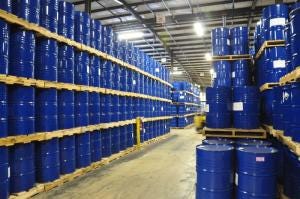
Polyetheramine
Polyetheramine is a type of polyamine compound that contains multiple ether linkages (-O-) within its molecular structure. It is commonly used in various industrial applications, such as coatings, adhesives, sealants, and elastomers, due to its unique properties including high reactivity, low viscosity, and excellent water solubility.
Polyetheramine is a versatile compound that can be synthesized with varying molecular weights and amine functionalities. The most common types of polyetheramine include monoamines, diamines, and triamines, which differ in the number of amine groups present in their structure.
Polyetheramine is known for its excellent performance as a curing agent for epoxy resins, where it promotes crosslinking and imparts superior mechanical properties to the final product. It is also used as a surfactant and dispersant in various industries due to its ability to stabilize emulsions and suspensions.
Overall, polyetheramine is a highly useful and widely used chemical compound that plays a crucial role in various industrial applications.
Polyetheramine Market
The polyetheramine market has been growing steadily over the years due to the increasing demand for epoxy resins in various applications such as coatings, adhesives, and composites. The global polyetheramine market size was estimated to be around USD 775 million in 2020 and is projected to grow at a compound annual growth rate (CAGR) of around 6% from 2021 to 2028.
The Asia-Pacific region is the largest market for polyetheramine due to the increasing demand for epoxy resins in the construction, automotive, and electronics industries. China and India are the major contributors to the growth of the polyetheramine market in the region. North America and Europe are also significant markets for polyetheramine due to the growing demand for coatings and adhesives in various end-use industries.
The market for polyetheramine is highly competitive, with several multinational players operating in the industry. Some of the key players in the polyetheramine market include Huntsman Corporation, BASF SE, Dow Chemical Company, Yantai Minsheng Chemicals Co., Ltd., and Clariant International Ltd.
The polyetheramine market is expected to continue to grow in the coming years, driven by the increasing demand for epoxy resins and other applications. The market is also likely to see significant investments in research and development to develop new and innovative products to cater to the evolving needs of end-use industries.
Polyetheramine Market Growth
The polyetheramine market is expected to experience significant growth in the coming years, driven by various factors such as the increasing demand for epoxy resins in several applications, including coatings, adhesives, and composites. Other factors driving the growth of the market include the growing construction industry, rising automotive production, and increasing demand for electronics.
Polyetheramine is a crucial component in the production of epoxy resins, which are widely used in the construction industry for flooring, coatings, and adhesives. The increasing demand for sustainable and eco-friendly construction materials is also driving the growth of the polyetheramine market. Additionally, the growing automotive industry, especially in emerging economies, is driving the demand for polyetheramine in the production of adhesives and coatings.
Furthermore, the increasing use of composites in various end-use industries, including aerospace, wind energy, and sports equipment, is also driving the growth of the polyetheramine market. Composites made with epoxy resins and polyetheramines offer several benefits such as high strength, durability, and corrosion resistance.
Overall, the polyetheramine market is expected to experience significant growth in the coming years, driven by the increasing demand for epoxy resins in various applications, growing end-use industries, and the development of new and innovative products.
Polyetheramine Market Trends
There are several trends currently shaping the polyetheramine market, including:
- Growing demand for bio-based polyetheramines: As consumers become increasingly environmentally conscious, there is a growing demand for bio-based polyetheramines that are produced from renewable sources such as plant-based feedstocks. This trend is likely to continue in the coming years, driven by the increasing adoption of sustainable materials and technologies.
- Increasing use of polyetheramines in the automotive industry: The automotive industry is a significant consumer of polyetheramines, with increasing demand for coatings and adhesives used in automotive manufacturing. As the industry shifts towards electric vehicles, there is likely to be a growing demand for polyetheramines used in the production of composites and other lightweight materials.
- Growing demand for polyetheramines in the construction industry: The construction industry is a significant consumer of epoxy resins and polyetheramines used in coatings, adhesives, and flooring applications. The growing trend towards sustainable construction materials is likely to drive the demand for eco-friendly polyetheramines in the coming years.
- Development of new and innovative products: Manufacturers of polyetheramines are continually developing new and innovative products to meet the evolving needs of end-use industries. For instance, there is growing interest in the development of high-performance polyetheramines that offer improved mechanical properties and chemical resistance.
- Increased focus on research and development: There is an increasing focus on research and development in the polyetheramine market to develop new applications and products. This trend is likely to continue in the coming years, driven by the growing demand for high-performance materials and the need to improve sustainability and reduce the environmental impact of production processes.


Comments
Post a Comment