Painting Masking Tapes Market Growth Research,Industry Demand and Key Dynamics
Painting Masking Tapes
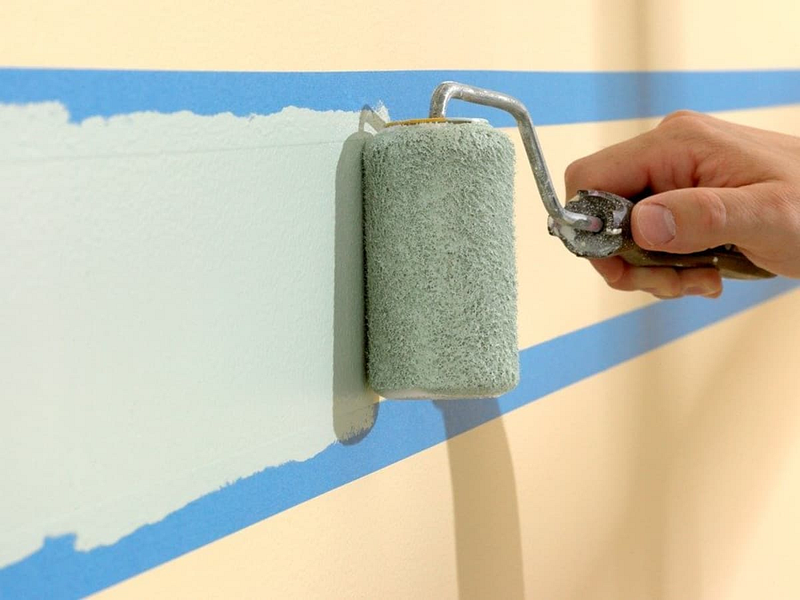
Painting masking tapes are special adhesive tapes that are designed to be used during painting projects to create clean, straight lines and protect certain areas of a surface from paint. They are made from thin, flexible materials, such as paper or plastic, that are easy to tear and apply.
To use painting masking tape, you first need to clean and prepare the surface you want to paint. Then, you can apply the tape to the areas that you want to protect from the paint. Make sure that the edges of the tape are firmly pressed down to ensure that no paint can seep underneath.
Once the tape is in place, you can begin painting as usual. When you are finished, wait until the paint is completely dry before removing the tape. This will help to ensure that the paint doesn't peel or chip away with the tape.
Painting Masking Tapes Market
The painting masking tapes market is a competitive and growing industry, driven by the increasing demand for these tapes in various industries such as automotive, construction, and home improvement. The market is expected to grow at a compound annual growth rate (CAGR) of 6.7% from 2021 to 2028.
One of the key drivers of the market growth is the rising demand for painting masking tapes in the automotive industry. These tapes are widely used in car painting and body repair work, as they help to create clean, precise lines and protect sensitive areas from paint overspray. The growth of the automotive industry, particularly in emerging economies, is expected to fuel the demand for painting masking tapes in the coming years.
Another factor contributing to the growth of the market is the increasing popularity of DIY home improvement projects. As more and more people take on home renovation and decorating projects, the demand for painting masking tapes is expected to rise. These tapes are essential for achieving professional-looking results and protecting surfaces from paint damage.
The market is highly competitive, with numerous players vying for market share. Some of the key players in the painting masking tapes market include 3M Company, Nitto Denko Corporation, Avery Dennison Corporation, Tesa SE, and Scapa Group PLC. These companies are investing in research and development to create new and innovative products to meet the evolving needs of their customers.
Painting Masking Tapes Market Growth
The painting masking tapes market has been experiencing steady growth in recent years and is expected to continue to grow at a moderate pace in the coming years. One of the primary drivers of this growth is the increasing demand for painting masking tapes in the construction and automotive industries.
In the construction industry, painting masking tapes are widely used for painting and finishing work, as they help to create clean, sharp lines and protect surfaces from paint and other types of damage. The growth of the construction industry, particularly in emerging economies, is expected to fuel the demand for painting masking tapes in the coming years.
In the automotive industry, painting masking tapes are used extensively for car painting and body repair work. With the growth of the automotive industry, particularly in emerging economies, the demand for painting masking tapes is expected to continue to rise.
Another factor contributing to the growth of the painting masking tapes market is the increasing popularity of DIY home improvement projects. As more and more people take on home renovation and decorating projects, the demand for painting masking tapes is expected to rise.
Overall, the painting masking tapes market is expected to continue to grow at a moderate pace in the coming years, driven by the increasing demand in various industries and the development of new and innovative products by key players in the market. However, the market may face challenges from the availability of alternative masking methods and materials, such as painter's plastic or adhesive films, which may limit its growth potential in some applications.
Painting Masking Tapes Market Trends
The painting masking tapes market is a dynamic industry that is constantly evolving to meet the changing needs of customers. Here are some of the key trends that are shaping the painting masking tapes market:
- Increasing demand for eco-friendly products: As consumers become more environmentally conscious, there is a growing demand for eco-friendly painting masking tapes. Many manufacturers are responding to this trend by developing products that are made from sustainable materials, such as recycled paper or biodegradable plastics.
- Growth of e-commerce channels: With the rise of e-commerce, many customers are now buying painting masking tapes online. This trend is expected to continue in the coming years, as more and more people shop online for their home improvement and DIY needs.
- Focus on product innovation: To stay competitive in the market, many manufacturers are investing in research and development to create new and innovative products that meet the evolving needs of customers. For example, some companies are developing painting masking tapes that can be easily removed without leaving any residue or damage to surfaces.
- Rising popularity of customization: As customers look for unique and personalized products, there is a growing trend towards customized painting masking tapes. Some manufacturers are offering customizable tapes with logos, text, or images printed on them, which can be used for branding or decorative purposes.
- Growing use of advanced materials: Advances in materials science are leading to the development of painting masking tapes that are more durable, resistant to high temperatures, and can adhere to a wider range of surfaces. These advanced tapes are finding new applications in industries such as aerospace and electronics, where high-performance masking tapes are essential.
Overall, the painting masking tapes market is a vibrant and innovative industry that is constantly adapting to meet the changing needs of customers.


Comments
Post a Comment