Greenhouse Produce Market Growth Insights with SWOT and PESTAL Analysis till 2030
Greenhouse Produce
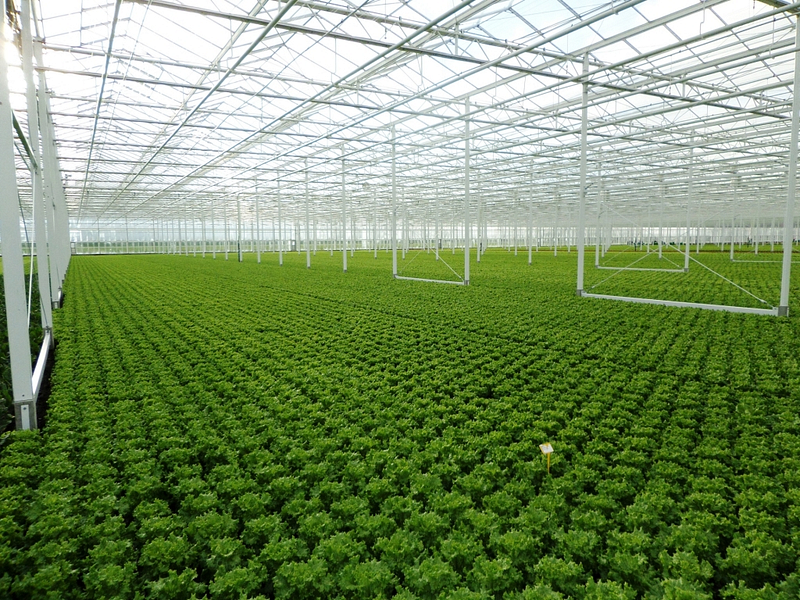
Greenhouse produce refers to fruits and vegetables that are grown in controlled environments within a greenhouse, also known as a glasshouse. These structures are designed to provide a favorable growing environment for plants, such as stable temperatures, humidity levels, and lighting, regardless of the external weather conditions.
Greenhouse produce is typically grown using hydroponic or aquaponic systems, which involve growing plants in nutrient-rich solutions rather than soil. This method of cultivation allows for more efficient use of resources such as water and fertilizers, as well as greater control over pests and diseases.
Greenhouse Produce Market
The increasing demand for fresh and healthy produce, particularly in urban areas where space for traditional farming is limited, is one of the key factors driving the growth of the greenhouse produce market. Additionally, the adoption of advanced greenhouse technologies, such as hydroponics and vertical farming, is enabling farmers to grow a wider range of crops in a more efficient and sustainable manner.
Some of the key players in the greenhouse produce market include Village Farms International, Inc., BrightFarms Inc., Mucci Farms, Pure Harvest Smart Farms, and AeroFarms. These companies are investing in research and development to improve their production techniques and develop new varieties of greenhouse-grown produce.
In terms of geographical regions, Europe is currently the largest market for greenhouse produce, followed by North America and Asia-Pacific. However, the market is expected to grow significantly in emerging economies such as China, India, and Brazil as these countries seek to improve their food security and reduce their dependence on imported produce.
Greenhouse Produce Market Growth
The greenhouse produce market has been experiencing significant growth in recent years and is expected to continue to grow in the coming years. There are several factors driving this growth, including:
- Increasing demand for fresh and healthy produce: Consumers are becoming increasingly aware of the health benefits of fresh produce and are willing to pay a premium for high-quality, locally grown products.
- Advancements in greenhouse technology: The development of new and innovative greenhouse technologies, such as hydroponics and vertical farming, has made it possible to grow a wider variety of crops in a more efficient and sustainable manner.
- Growing urbanization: As more people move to urban areas, the demand for locally grown produce is increasing. Greenhouse farming allows for the production of fresh produce in urban areas, reducing transportation costs and increasing access to fresh produce.
- Growing awareness of environmental concerns: Greenhouse farming is more environmentally friendly than traditional farming methods, as it uses less water and fertilizer and produces fewer greenhouse gas emissions.
- Increasing investment in greenhouse farming: Investors are increasingly recognizing the potential of greenhouse farming and are investing in the development of new greenhouse farms and technologies.
Overall, the greenhouse produce market is expected to continue to grow as consumers become more health-conscious and demand for locally grown, sustainably produced produce increases.
Greenhouse Produce Market Trends
There are several key trends that are shaping the greenhouse produce market:
- Vertical farming: Vertical farming involves growing crops in vertically stacked layers, using artificial lighting and hydroponic or aeroponic systems. This approach maximizes the use of space and resources and enables year-round production, making it an attractive option for urban areas.
- Organic and non-GMO produce: There is growing demand for organic and non-GMO produce, and greenhouse farmers are responding by adopting organic and non-GMO production methods.
- Locally grown produce: Consumers are increasingly interested in locally grown produce, and greenhouse farmers are responding by locating their farms closer to urban centers to reduce transportation costs and increase access to fresh produce.
- Automated greenhouse systems: Automation technology is being increasingly used in greenhouse farming to improve efficiency and reduce labor costs. This includes automated climate control, irrigation systems, and harvesting equipment.
- Innovative growing systems: Advances in greenhouse technology are enabling new growing systems such as aquaponics and aeroponics, which use fish and mist, respectively, to provide nutrients to the plants.
- Sustainable practices: There is growing emphasis on sustainable practices in greenhouse farming, including water conservation, renewable energy sources, and the use of recycled materials.
Overall, these trends are driving innovation and growth in the greenhouse produce market, as farmers seek to meet the demands of a changing market and address concerns about sustainability and environmental impact.


Comments
Post a Comment