Hydrophilic Coatings Market Booming Segments; Investors Seeking Growth by Forecast 2023-2030
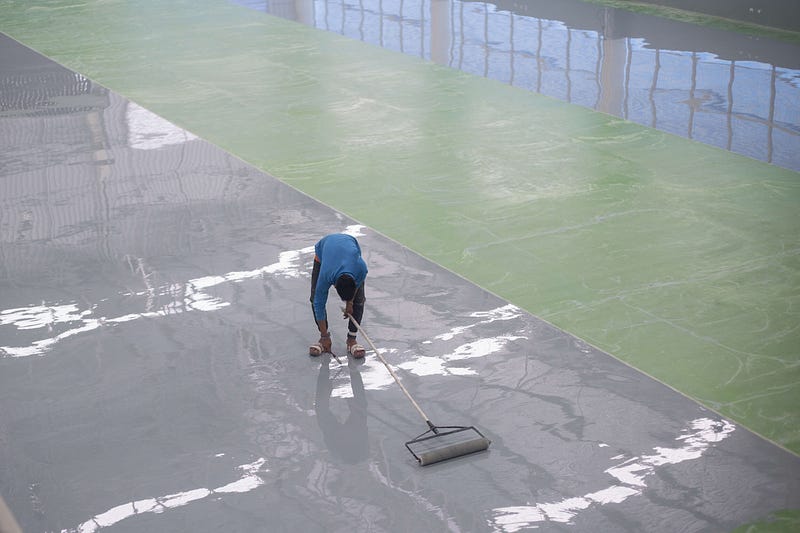
Hydrophilic Coatings
Hydrophilic coatings are thin films or layers that have a high affinity for water, meaning they attract and absorb water molecules. These coatings are used in a variety of applications, such as medical devices, optical lenses, and electronic components. Hydrophilic coatings can be either permanent or temporary. Permanent coatings are designed to remain on the surface of the substrate for the life of the product, while temporary coatings are designed to be removed after a certain period of time.
One of the main benefits of hydrophilic coatings is their ability to reduce friction and surface tension, which can improve the performance of the substrate. For example, medical devices such as catheters and stents can be coated with hydrophilic materials to reduce friction and improve their insertion into the body. Hydrophilic coatings can be made from a variety of materials, including polymers, surfactants, and nanoparticles. The choice of material depends on the specific application and the desired properties of the coating.
Overall, hydrophilic coatings are an important technology for improving the performance and functionality of a wide range of products.
Hydrophilic Coatings Market
The global Hydrophilic Coatings Market is growing due to increasing demand from various end-use industries, such as medical devices, automotive, optics, and electronics. The medical devices segment is the largest application area for hydrophilic coatings, accounting for the majority of the market share. The increasing use of hydrophilic coatings in various medical devices, such as catheters, guidewires, and stents, to improve their performance and reduce friction is driving the market growth.
The automotive industry is another significant application area for hydrophilic coatings. The use of hydrophilic coatings on windshields, mirrors, and other automotive components helps to improve visibility and prevent fogging.
North America is the largest market for hydrophilic coatings, followed by Europe and Asia Pacific. The increasing demand for medical devices and automotive components, along with the growing awareness about the benefits of hydrophilic coatings, is driving the market growth in these regions.
Overall, the hydrophilic coatings market is expected to continue growing due to the increasing demand from various end-use industries and the ongoing development of new and advanced hydrophilic coating technologies.
Hydrophilic Coatings Market Growth
The hydrophilic coatings market is expected to continue to grow in the coming years due to several factors driving demand for these coatings.
Firstly, the demand for hydrophilic coatings in the medical device industry is expected to continue to grow. The increasing prevalence of chronic diseases and an aging population is driving demand for medical devices, and hydrophilic coatings can improve the performance of these devices, leading to improved patient outcomes.
Secondly, the automotive industry is another significant application area for hydrophilic coatings, and the demand for these coatings is expected to continue to grow. The use of hydrophilic coatings on windshields, mirrors, and other automotive components helps to improve visibility and prevent fogging, improving safety on the roads.
Thirdly, the growing awareness of the benefits of hydrophilic coatings is driving demand for these coatings across a range of industries. Hydrophilic coatings can improve the performance of products and reduce friction, leading to improved efficiency and productivity.
Finally, ongoing research and development are expected to lead to the development of new and advanced hydrophilic coating technologies, which will further drive the growth of the market.
Overall, the hydrophilic coatings market is expected to continue to grow in the coming years due to these factors, leading to increased demand and investment in this industry.
Hydrophilic Coatings Market Trends
The hydrophilic coatings market is evolving with various trends that are shaping the industry. Some of the notable trends in the hydrophilic coatings market are as follows:
- Development of sustainable hydrophilic coatings: The trend towards environmentally friendly and sustainable products is driving the development of hydrophilic coatings made from natural and biodegradable materials.
- Increasing use of nanotechnology: The use of nanotechnology in hydrophilic coatings is gaining traction due to the improved properties of the coatings, such as increased durability and effectiveness.
- Rising demand for medical devices: The increasing prevalence of chronic diseases and an aging population is driving demand for medical devices, which is a significant application area for hydrophilic coatings.
- Growing adoption of hydrophilic coatings in the automotive industry: The automotive industry is increasingly adopting hydrophilic coatings to improve visibility and prevent fogging on windshields, mirrors, and other automotive components.
- Advancements in coating technologies: The ongoing advancements in coating technologies are driving the development of new and advanced hydrophilic coatings with improved properties, such as increased durability and effectiveness.
- Increasing adoption of hydrophilic coatings in electronic devices: The use of hydrophilic coatings in electronic devices is gaining popularity, as these coatings can improve the performance and reliability of these devices.
Overall, the hydrophilic coatings market is evolving with these trends, and companies are investing in research and development to capitalize on these trends and develop innovative products that meet the needs of their customers.


Comments
Post a Comment